
Diners: A table for one, please
Plus: AI only works if your operations are already solid | Restaurant prices are rising faster than groceries
• public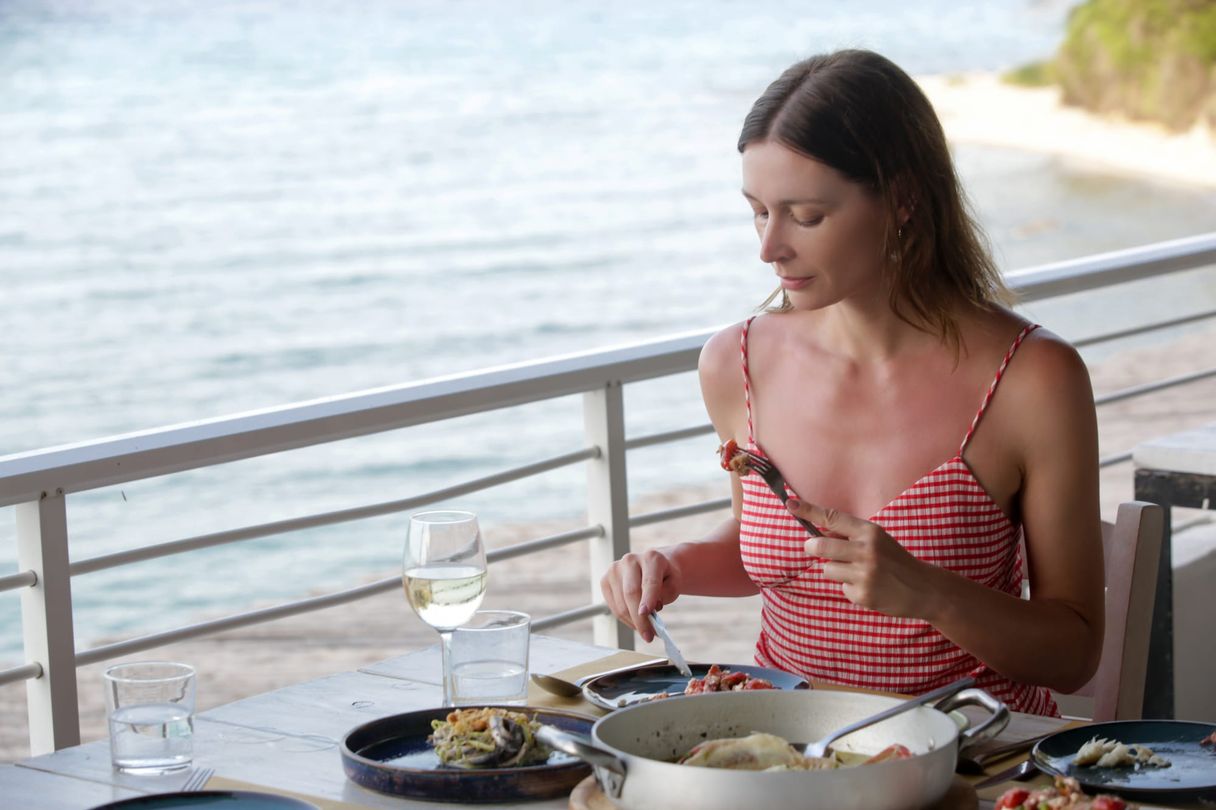
The restaurant industry is navigating a moment where momentum and pressure coexist—costs are climbing, competition is intensifying and diners’ expectations are shifting in real time. This week, we look at why AI isn’t the silver bullet many hoped for, how solo diners are reshaping the dining room and why the operators thriving right now are doubling down on fundamentals—not shortcuts—in an increasingly complex landscape where execution matters more than ever.
But first, will prices go up after the Sysco/Restaurant Depot merger?

Rising tide. How the war in Iran is affecting food costs for restaurants.
Stir crazy. Why Yemeni coffee houses are popular in Dallas and other U.S. cities.
Round table. OpenTable launches an industry-led council to glean crucial insights.
Trend alert. Caviar-topped hot dog becomes viral item at Miami’s F1 race.
Coast to toast. NYC restaurants get an LA-inspired wellness makeover.

Why AI doesn’t always work for restaurants
Most restaurant AI projects fail because operators expect technology to fix broken fundamentals. Tools often generate insights but don’t improve real workflows, especially for managers. Success depends on clean, integrated data, alignment with day-to-day operations, and systems that drive action—not just analysis or dashboards.
Why it matters: For restaurant owners, AI isn’t a shortcut to cost-cutting—it’s an operational tool that only works if the foundation is solid. Investing in data, workflows and manager usability determines ROI. Done right, AI improves scheduling, service and margins; done wrong, it wastes time, money and trust. (Modern Restaurant Management)
How some restaurants are luring solo diners
Restaurants are increasingly catering to solo diners as demand rises—especially among Gen Z—by offering thoughtful perks like complimentary drinks, desserts, puzzles and even journals. They’re also rethinking portions and seating to better suit individuals, turning solo dining into a more engaging, intentional and personalized experience.
Why it matters: Solo diners are a growing, loyal customer base, and small touches can drive repeat visits and stronger connections. By designing menus, portions and service with individuals in mind, restaurants can unlock new revenue, fill seats more efficiently and differentiate themselves through hospitality that feels personal rather than transactional. (Food & Wine)
How to keep your restaurant brand thriving even in tough times
Restaurant brands that outperform in uncertain times focus on fundamentals: disciplined operations, smarter inventory and labor management and data-driven decisions. Growth comes from doubling down on core markets, not over-expanding, while strong community ties and consistent unit-level execution create resilience that holds up across economic cycles.
Why it matters: For operators, the takeaway is clear: resilience isn’t reactive, it’s built into daily systems. Tightening operations, investing in the right tech and prioritizing local market strength can protect margins and loyalty. In volatile conditions, the brands that win are the ones already running smarter, not just scrambling to adapt. (Nation’s Restaurant News)

3.9%
The percentage that restaurant prices are projected to rise this year, outpacing grocery inflation. (Santiago & Company)

Why a notable Philly bakery is slashing prices
Bay Area’s “sommelier of corn” makes the city’s best tortillas
Tapping into Afghan roots to build a D.C. restaurant empire
Nationally lauded Charleston BBQ restaurant closes
Orlando’s Camille is the first Michelin-starred Vietnamese restaurant
Thanks for reading today's edition! You can reach the newsletter team at editor@theprep.co. We enjoy hearing from you.
Interested in advertising? Email us at newslettersales@mvfglobal.com
Was this email forwarded to you? Sign up here to get this newsletter once a week.
The Prep is written by Kelly Dobkin and edited by Bianca Prieto.