
Every detail in your restaurant is now a profit lever
Plus: What understaffing costs your restaurant | Why sales tax is now a core discipline
• public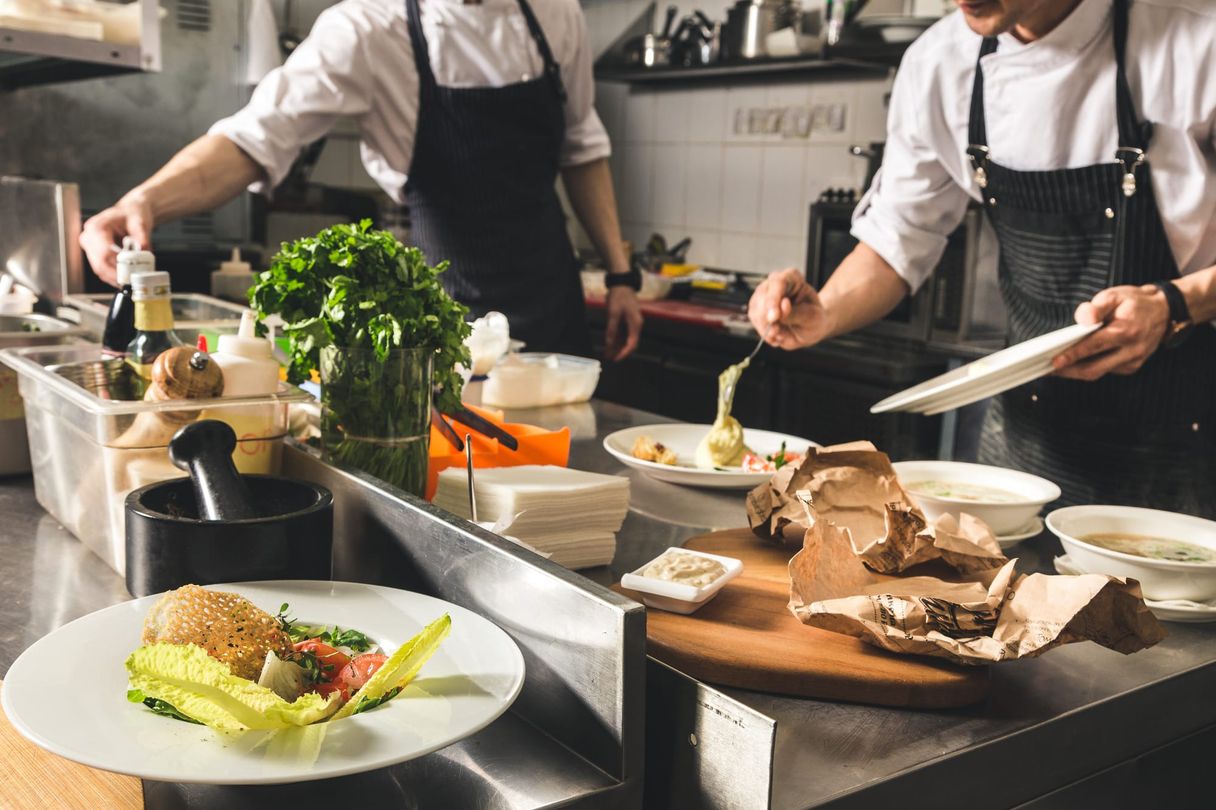
Margins are under pressure, labor remains tight and every operational detail is now a profit lever. This week, we look at how smart operators are responding—from engineering menus that sell more effectively to treating staffing and tax compliance as strategic priorities, not back-office problems. The throughline: In today’s market, success isn’t just about driving traffic. It’s about building a business that runs leaner, smarter, and more resilient when costs keep climbing.
But first, how a proposed DOL regulation on joint employers could affect restaurants.

Upping the steaks. The rise of wagyu’s popularity in restaurants and the battle over quality.
Tipping point. A group of Denver restaurant owners opposes wage cuts as a way to solve rising costs.
Bot to go. Is ordering takeout via ChatGPT the future for restaurant customers?
Stocking up. DoorDash is getting into restaurant supply. Here are the risks and benefits.
Shaken not stirred. How one popular restaurant group is dealing with declining alcohol orders.

How to design a smart menu that drives profits
Profitable menus do more than list food—they actively drive margins. Operators are simplifying execution, cross-utilizing ingredients, emphasizing high-demand items, using beverages as profit centers and designing menus around convenience, perceived value and guest behavior rather than relying solely on price increases.
Why it matters: For business owners, the takeaway is clear: your menu should function like a sales tool. Smarter pricing, easier-to-execute dishes, better product mix and strategic upsells can increase profitability without alienating customers. In a high-cost environment, menu design may be one of the fastest ways to improve margins. (Nation’s Restaurant News)
The impact of understaffing restaurants is multi-fold
Restaurant understaffing is becoming a measurable drag on performance, not just an operational headache. A new National Restaurant Association report found labor shortages are limiting growth, reducing service capacity and increasing strain on managers and teams. With fewer workers entering hospitality, the problem may intensify.
Why it matters: For operators, understaffing hits revenue from multiple angles: slower turns, fewer open hours, weaker guest experiences and higher burnout-driven turnover. As hiring challenges persist, restaurants may need to rethink wages, scheduling, automation and menu complexity. Labor is no longer just a staffing issue—it’s a strategy issue. (Restaurant Business)
How sales tax errors can trip up a successful restaurant
Restaurant sales tax errors often stem from assuming that POS systems are correctly configured and that rules are uniform. In reality, service charges, gratuities, third-party delivery fees, use tax and multi-jurisdiction menu items create frequent compliance gaps. With stronger state data matching, small mistakes can quickly trigger audits and penalties.
Why it matters: For operators, sales tax is no longer a back-office afterthought. Missteps can damage cash flow through fines, interest and surprise liabilities across multiple locations. As revenue streams become more complex, tax compliance now sits alongside food and labor costs as a core discipline protecting margins and growth. (FSR Magazine)

$67
The average price of Mother’s Day lunch this year, up 4% from last year. (Reuters)

How to launch a podcast to boost your restaurant’s visibility
Bay Area fine-dining restaurant experiments with half-price deal
Private equity firms are now funding start-up bagel concepts
Restaurants focus on service and guest experience as gas prices rise
Thanks for reading today's edition! You can reach the newsletter team at editor@theprep.co. We enjoy hearing from you.
Interested in advertising? Email us at newslettersales@mvfglobal.com
Was this email forwarded to you? Sign up here to get this newsletter once a week.
The Prep is written by Kelly Dobkin and edited by Bianca Prieto.