
From pop-up to cult brand: The Broad Street Oyster Company story
Founder Christopher Tompkins on building a lifestyle-driven seafood brand with grit, community and zero traditional playbook
• public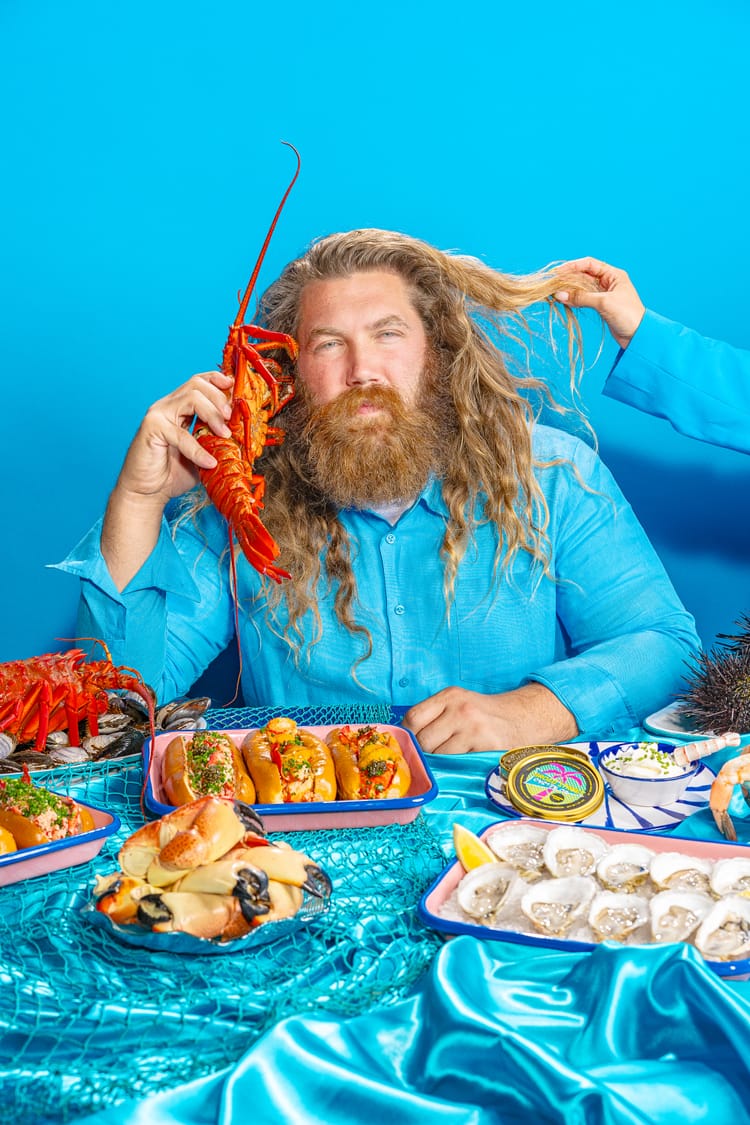

In an industry where concepts often launch with hefty budgets and polished decks, Broad Street Oyster Company began with nothing but hustle, instinct and a pop-up tent. Founder Christopher Tompkins turned a mobile operation into one of L.A.’s most recognizable lifestyle-driven seafood brands: proving that lean systems, authentic storytelling and real-time market validation can outpace traditional playbooks.
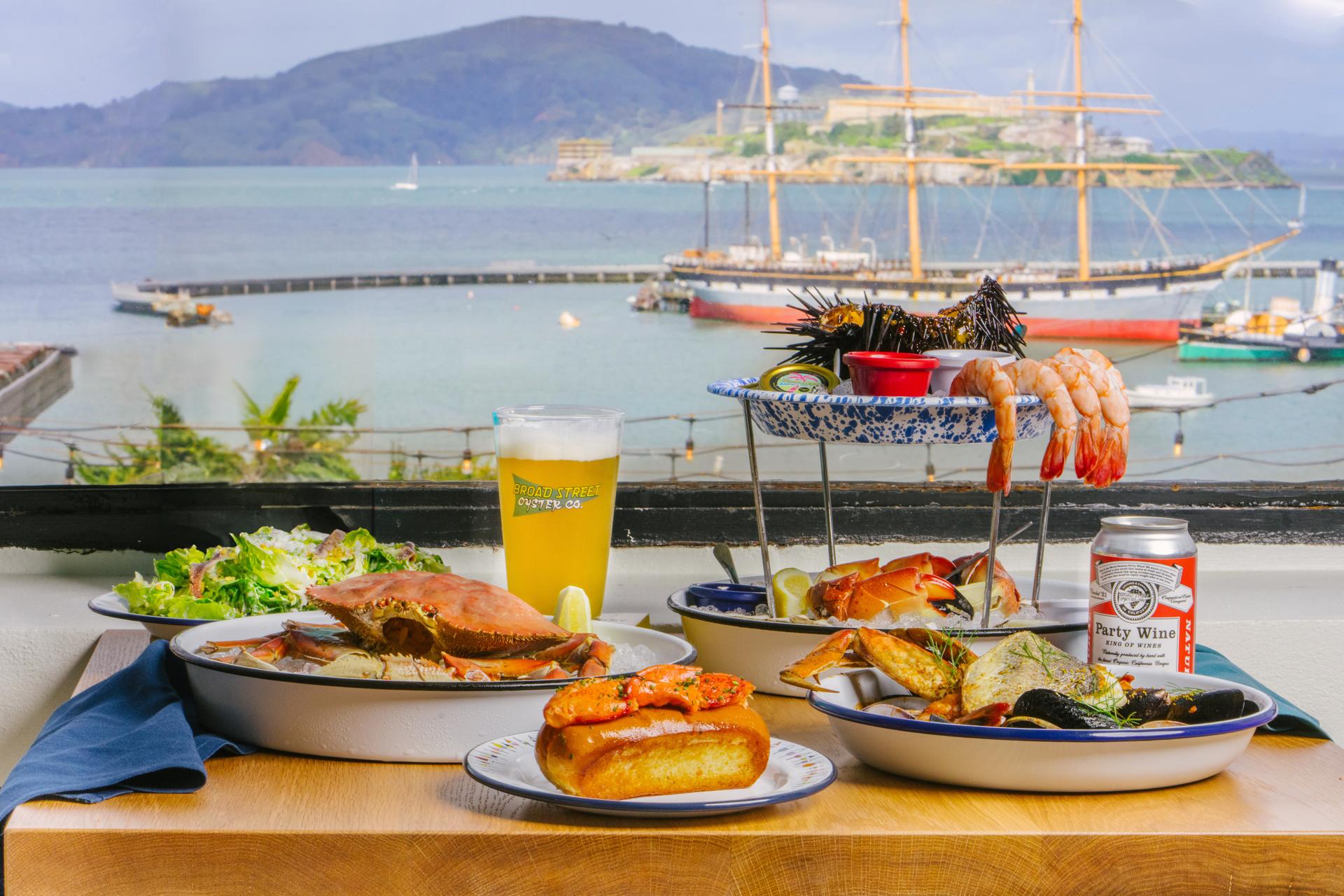
Tompkins opened his first brick-and-mortar in Malibu during the height of the pandemic, which proved to be an immediate test of his ingenuity. He created an innovative drive-thru oyster bar set-up to comply with social distancing mandates. You can now find his famed lobster rolls, freshly shucked oysters and other seafood specialties at Broad Street locations in Santa Barbara, Huntington Beach, San Francisco and Downtown L.A., in addition to Smorgasburg.
In this interview, he shares how community shaped the brand and what restaurateurs should know about extending beyond food into culture.
— Interview by Kelly Dobkin, edited by Lesley McKenzie
What inspired you initially to start Broad Street as a mobile restaurant?
Honestly, Broad Street Oyster Company started as a street-side pop-up because I didn’t have any money. A mobile restaurant was the only shot I had and it turned out to be the best thing that could’ve happened. It forced me to prove the concept in real time: if people were willing to track us down in parking lots, breweries and random corners of L.A., then the idea had real legs. There was no strategy deck or business plan. It was instinct, grit and a belief that people would “get” what I was doing. I wanted Broad Street to feel like a party that could break out anywhere. If we could earn a following, then we’d earn the right to open a brick-and-mortar.
What operational lessons did you learn from the early mobile days that still inform how you run the business today?
Mobile operations are unforgiving. You don’t get to hide your mistakes behind a beautiful dining room and you definitely can’t stash extra product in a big walk-in. If you screw up prep, you’re done for the day. If your systems are sloppy, the whole thing collapses. I’ve found that lean teams outperform bloated ones and allow for a greater degree of accountability. It’s really hard to hide when everyone is working under a 10x10 EZ-UP, and that pressure makes us sharper. Those early days with a tight crew and an even tighter prep list became the DNA of our stores.
Broad Street has become more than a restaurant—it’s a lifestyle brand. How intentional was that from the start, and what advice would you give other restaurateurs looking to expand beyond food into merch, media or experiential activations?
I’d be lying if I said anything in the early days was “intentional”. The lifestyle element wasn’t engineered or even discussed; it happened because guests connected with the vibe we were putting out. They wanted hats, shirts, stickers. We made them. Half the time, it was a friend of a friend helping us design stuff until we got to a point where artists began reaching out to us. We leaned into lifestyle once we realized that Broad Street Oyster Company was more than just a place to grab a lobster roll. That authenticity is what built a world people actually wanted to be a part of. The food was just the foundation.
Thanks for reading today's edition! You can reach the newsletter team at editor@theprep.co. We enjoy hearing from you.
Interested in advertising? Email us at newslettersales@mvfglobal.com
Was this email forwarded to you? Sign up here to get this newsletter once a week.
The Prep is written by Kelly Dobkin and edited by Lesley McKenzie.