
Hospitality leaders: What's in store for 2026
Experts weigh in with their industry predictions
• public

What do hospitality experts predict for 2026? As the New Year approaches, industry voices are aligned on one message: guests want creativity, comfort and clarity more than ever.
From the comeback of lunch and all-day cafés to the rise of wellness-driven menus, humble ingredients and small, personality-rich dining rooms, operators are adapting to tighter consumer budgets and shifting digital discovery habits. Equity-sharing restaurant groups, tech-enabled funding and AI-shaped search are also redefining how concepts launch and grow. We spoke to six hospitality-industry experts to get their takes on what they loved in 2025 and predict for 2026.
— Written by Kelly Dobkin, edited by Lesley McKenzie
What was your favorite restaurant/bar trend from 2025?
Gebel: Caviar on everything. Elevating “low-end” food with a “high-end” accompaniment.
Samuelsson: I never think I am a dessert person until they roll out the Banana Pudding Cart at Metropolis. 2025 has been a year of incredible nostalgic desserts done up like the ice cream sundaes at Daniel Boulud's La Tête D’Or or the Devil’s Food Cake at Claud or Chef Rachel Sherriffe's Sweet Potato Sticky Toffee Cake at our MARCUS DC restaurant. I love seeing all the talented pastry chefs stealing the show.
Mayhugh: I love the trend of the all-day cafe. As we covered in our Pre Shift newsletter, places like Cutie’s in Portland, Maine, have cracked the code: offering dishes with similar ingredients on their lunch and dinner menus, establishing hard lines about what is available at what hours and creating clear-cut ambiance changes that transition from day to night.
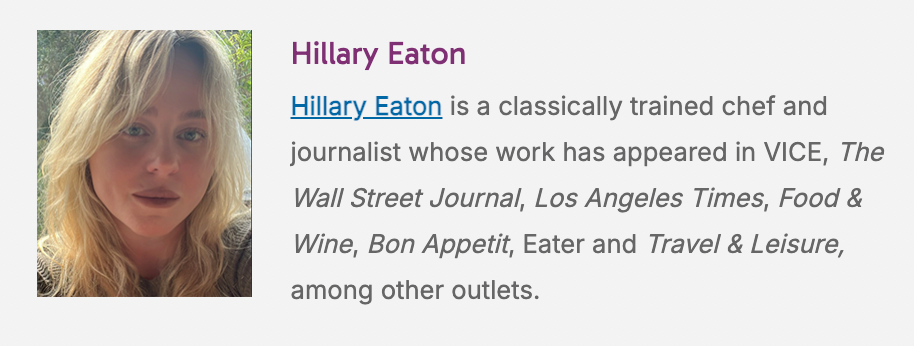
Eaton: Seeing spunky young indie restaurateurs making the small, funky neighborhood restaurant the coolest restaurants in town. Examples of this include Baby Bistro in Los Angeles (which can be experienced like a mini-tasting menu if you order everything) and Sammy's Deluxe in Maine. The smaller spaces and more manageable overheads are giving way to some really playful and personality-drenched cooking in a time when many restaurateurs of larger, more ambitious projects are playing it safe more often than not, leading to more boring or straightforward restaurant experiences, and that always hurts a city's vibrancy.
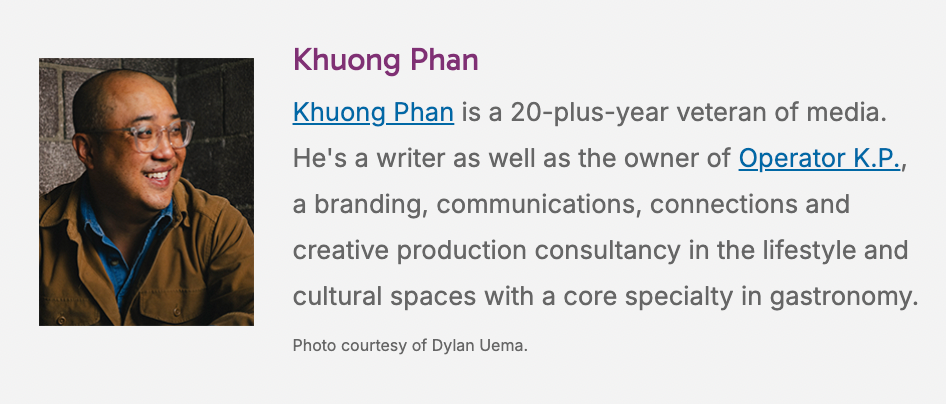
Phan: I have two. First, I encountered more and more menus that are built to share, which I love. I spent more time ordering from expanded snacks and sides sections of menus versus entrees. More to share means more fun. Second, high-quality counter-service restaurants. I had so many great meals at places where I was handed a table number after ordering.
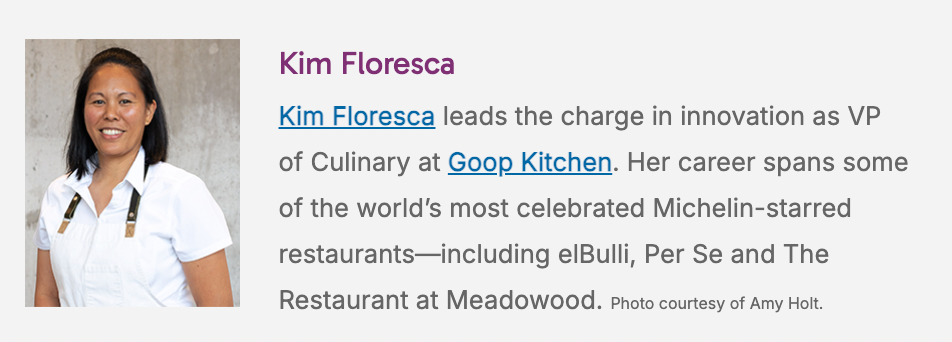
Floresca: My favorite trend of 2025 has to be the rise of elevated, all-day breakfast. Chefs took the comfort of breakfast and turned it into something creative, wholesome and genuinely exciting. Breakfast is having its comeback moment.
What trends do you predict for 2026?
Gebel: Lunch is back. Focus on creative sandwiches, wraps, salads. Take-out restaurants offering a more casual version of their menus. Simple dishes: serving good butter and radishes and/or bread as a dish.
Samuelsson: Greens and grains. At home, we eat more and more veggies with ancient grains like quinoa, teff and millet. These foods are incredibly nutritious and delicious, so you just feel good eating.
Mayhugh: I don’t predict the economy or financial stability in this country getting any stronger, so we are going to see chefs and bartenders get creative with what they can afford. One example is how we’ve seen the humble chicken brought to new, creative heights at restaurants around the country. Also, we did a trend story last month on "soft clubbing," aka the idea of starting dance parties earlier in the night, having last call at 11:30 p.m. With Gen-Z drinking less and millennials only getting older, I think we might start to see a more inclusive definition of nightlife next year, too.
Eaton: I predict more and more small- to mid-level restaurant groups to form where they are giving equity to chefs as partial owners instead of the independent chefs having to do everything themselves (accounts, HR, etc) as we've seen in groups like Last Word Hospitality and Rasarumah. It's a difficult landscape, and this is a positive trend that can help our industry continue to grow and take some of that burden of having to know how to do everything or find the money to open off of independent chefs. Second, the tech sector continues to innovate how we open and run restaurants. Look at startups like inKind who are helping restaurants fund themselves in a way that doesn't dilute equity. Lastly, Google Search's impact from AI's ask/answer format will continue to impact how diners search for and find restaurants, especially in the face of large editorial changes to food coverage in the face of AEO overtaking SEO. Restaurateurs will need to rethink how they can streamline digital information to be AI-friendly and how to gain bought and organic media coverage in an entirely new way.
Phan: The Hillstone/Houston's effect will continue to grow. Everyone loves those restaurants, myself included. They just deliver on their eclectic menu of American comfort food. They're safe and reliable, and I mean that in the most respectful way. I think in times like these, with the consumer side of the economy feeling more uncertain, both restaurateurs and diners are understandably risk-averse. So, bring on the artichoke dip, Caesar salad, ribs, fries and martinis. Nothing wrong with appreciating the classics.
Floresca: I see 2026 on the road to better-for-you foods that are focused on wellness and the focus of how your body functions off of what you eat. People really care about what they’re putting in their bodies more and more without sacrificing flavor. How do you balance both?
What trend do you wish would go away moving forward?
Gebel: TikTok hype. Waiting on hour+ lines for food and viral dishes just to post a photo.
Samuelsson: There are some crazy mashup foods out there that have no business together…
Mayhugh: And this begs to be repeated: Hopefully, QR code menus finally go the way of the dodo next year. Bring back real menus.
Eaton: I would love for phones to come back inside restaurants (so I can call and change a reservation when I need to!).
Phan: Caviar and wagyu everywhere. I think the quality of what's actually being served, and the manner in which it's being served, doesn't really rise to the occasion. There's nothing genuinely luxurious or special about it, to be honest. It's more about clout and status symbol chasing that just makes my eyes roll.
Floresca: Zero-proof cocktail bases that don’t actually taste very good. The botanicals that make the base flavors are used, but they aren’t balanced and there are so many on the market.
Thanks for reading today's edition! You can reach the newsletter team at editor@theprep.co. We enjoy hearing from you.
Interested in advertising? Email us at newslettersales@mvfglobal.com
Was this email forwarded to you? Sign up here to get this newsletter once a week.
The Prep is written by Kelly Dobkin and edited by Lesley McKenzie.