
How a La Jolla taco shop became a national powerhouse
Inside Julian Hakim’s rise from medical-track student to leader of a 24-restaurant hospitality group
• public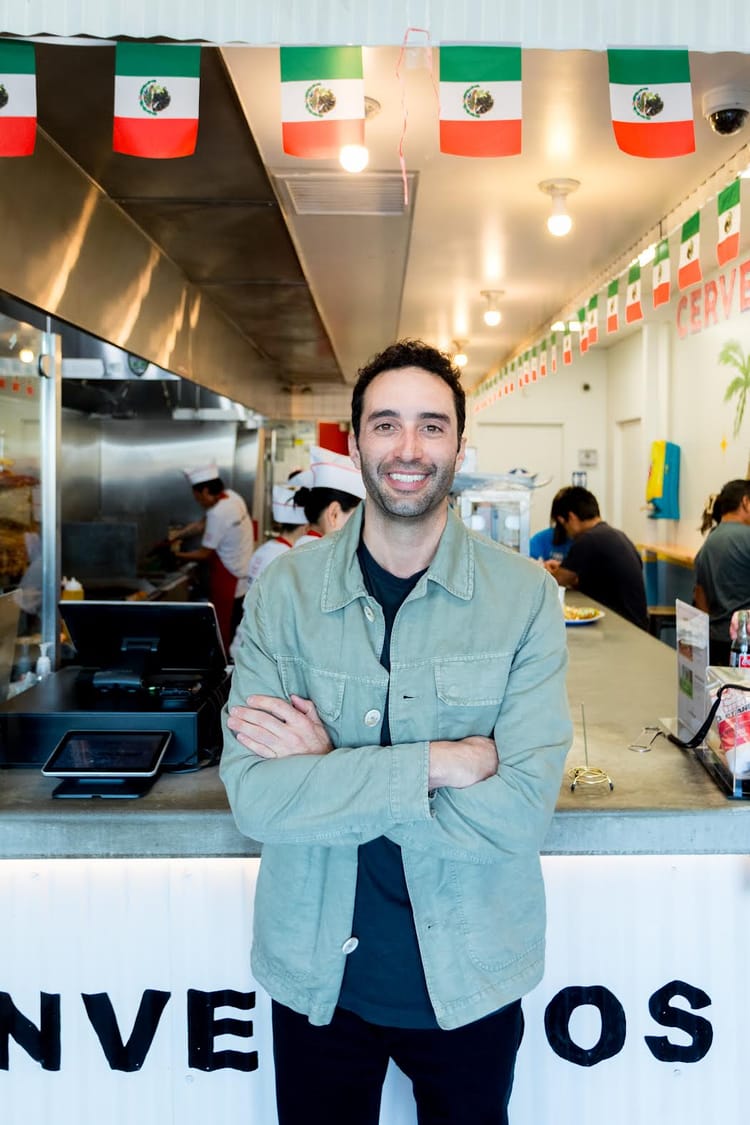

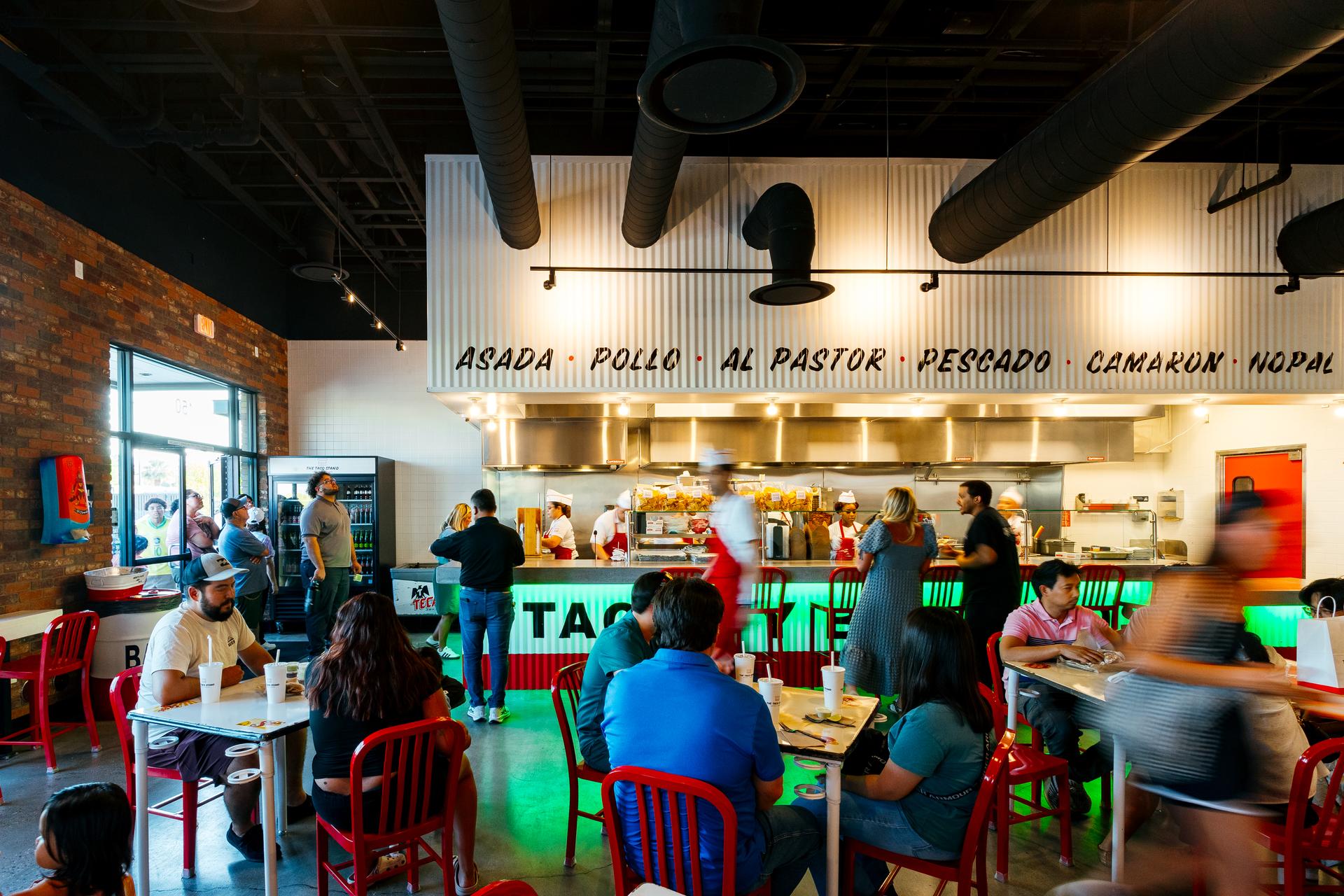
From a single taco shop in La Jolla to a 24-restaurant portfolio, Julian Hakim has turned Shōwa Hospitality into one of the country’s fastest-growing independent restaurant groups. His famed The Taco Stand rapidly expanded beyond La Jolla to San Diego, Orange County, Las Vegas, Miami and Dallas, and he’s added Michelin-recognized concepts to the portfolio as well.
Raised between San Diego and Tijuana, Hakim once considered a career in medicine before pivoting into hospitality. Hakim credits disciplined systems and a deeply human approach for his rapid success. At the heart of it all is omotenashi—the Japanese philosophy of genuine, anticipatory care—which continues to shape Shōwa’s Michelin-recognized restaurants and its vision for modern hospitality.
—Interview by Kelly Dobkin, edited by Lesley McKenzie
Shōwa Hospitality has scaled rapidly to 24 restaurants across multiple markets. What operational systems or philosophies have been most critical in managing consistent quality at scale?
We started in 2013 with one restaurant (the OG Taco Stand in La Jolla) and from there, it really wasn't rapid growth. It took us a couple of years to open the next one and a year or two later to open the next. From there, I think we picked up some momentum and sort of hit the ground running. In summary, successful growth is only possible with a competent team. It's really about building a team. One that shares our philosophy for what hospitality is, and can continue to build the culture Shōwa Hospitality has been known for. Within the team, we apply systems and tools that allow us to see how the restaurants perform and make corrections when needed, but this is ultimately a people business.
What made you change course from medicine to then pursue a career in restaurants?
The short answer is that I really didn't plan to leave medicine, I simply wanted to see this idea of building a Taco Stand like the ones I grew up with in Mexico come to life in San Diego. One day, my uncle called me while I was applying for residency in surgery, and told me that a space had become available in La Jolla and asked if I wanted to do the taco idea I'd mentioned in the past. I thought it would be perfect and so we partnered up and gave it a go. After seeing it take off, I thought I'd spend one year learning about running a restaurant and sort of preparing for my application to residency again the next year. Needless to say, I put medicine on the back burner as I was completely engulfed by the restaurant.
What team values do you believe help create and maintain your Michelin-starred restaurants?
Omotenashi. It's as simple as that. Omotenashi is a Japanese term that encapsulates everything that hospitality is and should be. It is about genuine caring, anticipation of a guest's needs and sincerity. I think too often, places we visit in America do not feel sincere; they try too hard, but there is no substance or genuine sincerity behind it. Omotenashi is an art and can best be seen in Japan, where people from our industry do not work for tips and yet provide a warm and caring experience time after time. This is what I strive to bring to our restaurants in the U.S.
Thanks for reading today's edition! You can reach the newsletter team at editor@theprep.co. We enjoy hearing from you.
Interested in advertising? Email us at newslettersales@mvfglobal.com
Was this email forwarded to you? Sign up here to get this newsletter once a week.
The Prep is written by Kelly Dobkin and edited by Lesley McKenzie.