
Meal times are getting weird
Plus: Is America's love affair with pizza waning? | Tariff defined menus
• public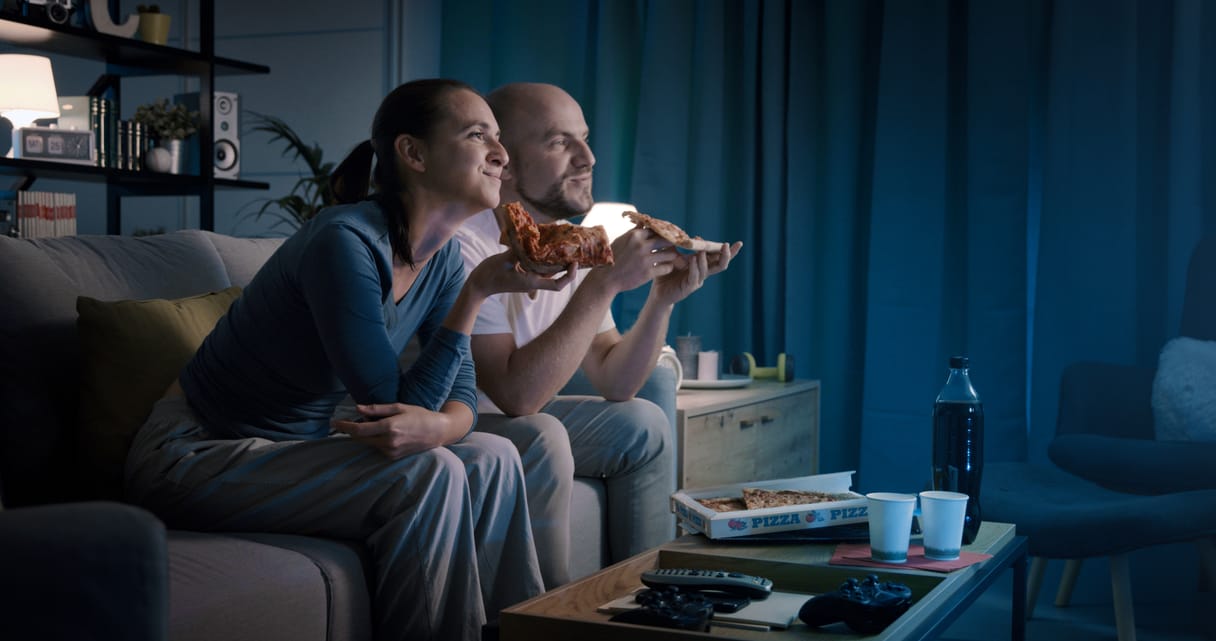

Welcome to 2026. Economic uncertainty is reshaping how Americans dine, and this week we explore the shifts owners can’t ignore, including new expectations around value, convenience and health.
We also examine how AI is quietly redefining operations and guest experience, and how operators are navigating tariff-driven cost pressures without losing margin or trust.
But first, former cupcake giant Sprinkles has abruptly closed all stores.

Bird’s the word. 2025 was the year of the rotisserie chicken.
Protein-forward. Major chain restaurants make the shift to GLP-1-friendly menus.
"Apizza" the pie. Famed Connecticut pizzeria plans to expand with 45 locations in Texas.
Stir crazy. Hot beverages pick up steam in cold weather.
Automation nation. Sweetgreen completes sale of Spyce robotics business to Wonder.

Consumer uncertainty redefines F&B consumption
Economic uncertainty and resilience are reshaping how Americans eat and drink, according to Circana’s 40th annual “Eating Patterns in America” study. Traditional meal/snack boundaries are blurring, office return patterns are shifting demand and consumers seek versatility, quality and convenience—even as inflation and job market concerns linger. Mid-morning, afternoon and late-night dining occasions are rising.
Why it matters: For restaurant owners, these evolving consumption patterns signal new revenue opportunities. Offering versatile portion sizes, portable items and value-oriented options can capture occasions that don’t fit classic breakfast/lunch/dinner slots. Understanding snacking inflation, office traffic and protein/health trends helps tailor menus and pricing to shifting behaviors and maintain relevance amid economic uncertainty. (Modern Restaurant Management)
How AI is reshaping the restaurant industry, for better or worse
From personalized mobile ordering and streamlined drive-thrus to smarter kiosks and data-driven menu optimization, restaurants may never be the same thanks to technology. While AI promises greater efficiency, reduced errors and tailored guest experiences, it also raises challenges related to job displacement, training curves and balancing tech with a human touch.
Why it matters: For restaurant owners, AI’s rise is more than a buzzword—it’s a strategic shift. Operators can harness AI for customer insights, operational efficiency and cost control. But adopting it responsibly requires investing in staff training, preserving human hospitality where it counts and managing the trade-offs between automation and personalized service in an increasingly tech-driven landscape. (The Takeout)
Restaurants are navigating tariff-related costs with caution
Restaurant owners are facing higher import costs on items like coffee, cheese and tomatoes, and many are adjusting menus, reducing portion sizes or sourcing domestic alternatives to cope with ongoing inflation and supply-chain volatility. These rising costs may have hit exceptionally hard during the busy 2025 holiday season.
Why it matters: For operators, tariff-influenced cost inflation directly impacts margins and menu pricing strategy. Understanding which ingredients are most affected allows operators to be proactive. Being nimble in sourcing and communication with guests helps protect profitability while maintaining value perception during peak dining-out periods. (Restaurant Dive)

92
The number of restaurants that closed this year in Washington, D.C. (Nation’s Restaurant News)

L.A. restaurants thought it couldn’t get any worse, then this happened
America is falling out of love with pizza
Red Lobster is plotting the "greatest comeback in the history of the restaurant industry”
10 trends that defined the year in eating in San Francisco
What drink trends should disappear in 2026?
Thanks for reading today's edition! You can reach the newsletter team at editor@theprep.co. We enjoy hearing from you.
Interested in advertising? Email us at newslettersales@mvfglobal.com
Was this email forwarded to you? Sign up here to get this newsletter once a week.
The Prep is written by Kelly Dobkin and edited by Bianca Prieto.