
Navigating NYC’s changing tides as a 30-year restaurateur
John McDonald on why Seahorse plays a starring role in Union Square’s next chapter
• public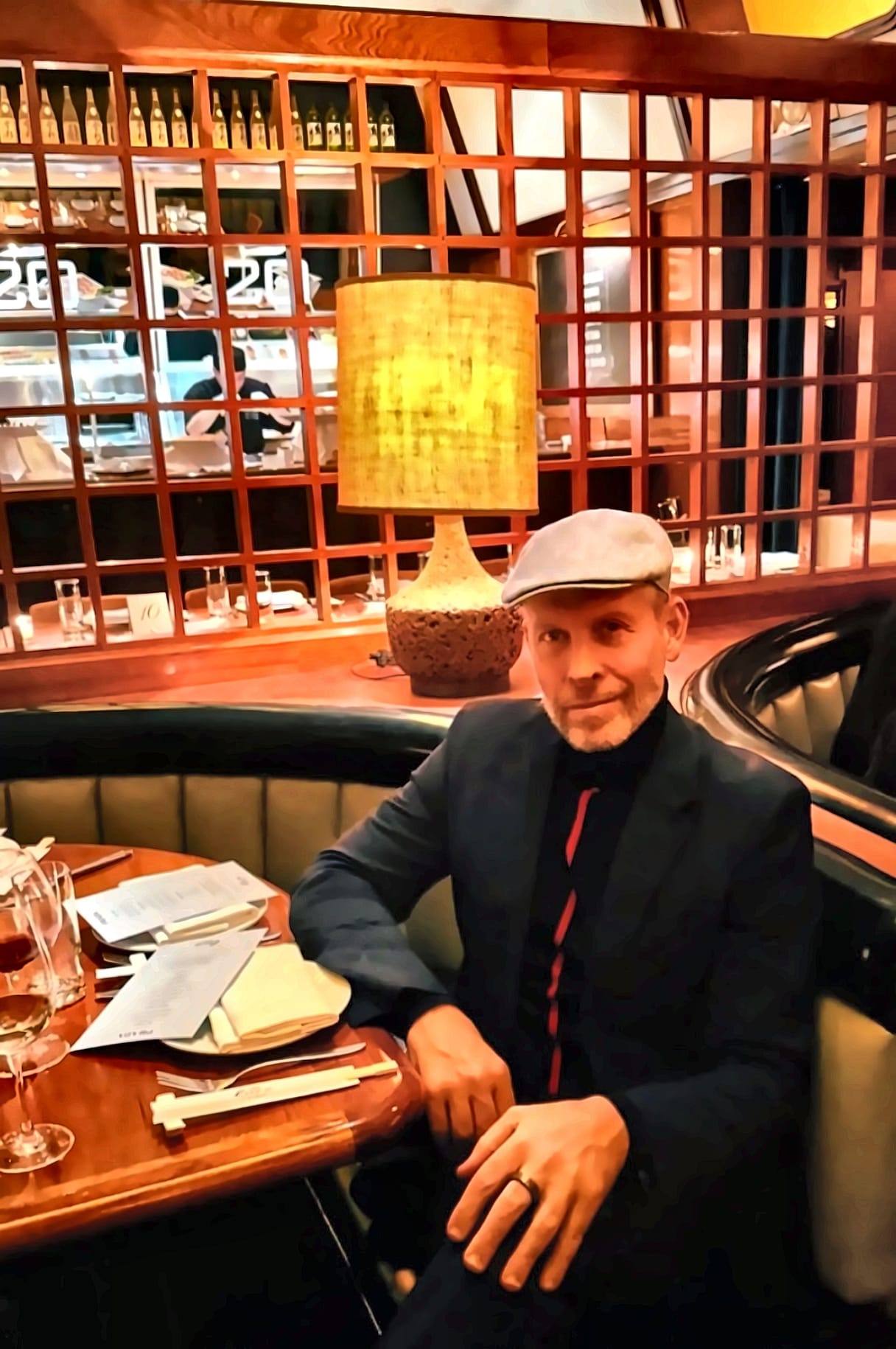
As New York’s dining landscape continues to shift, restaurateur John McDonald is betting that change—not stability—is what creates the most opportunity. With the debut of Seahorse last fall inside the newly reimagined W New York – Union Square, the longtime operator behind Lure Fishbar and founder of Mercer Street Hospitality reflects on neighborhood reinvention, the changing mechanics of creating a restaurant “scene” and why hotel partnerships can be both a powerful engine and a delicate balancing act.
—Interview by Kelly Dobkin, edited by Bianca Prieto
Union Square has undergone a significant identity shift over the past decade, with longtime institutions closing or relocating and nightlife energy drifting elsewhere. What made you confident that this was the right moment to plant a flag with Seahorse, and what signals do you look for as an operator when deciding a neighborhood is ready for a new chapter?
The honest answer is that the shift is the opportunity. When longtime institutions close, the neighborhood doesn't die—it creates a vacuum, and vacuums get filled. Union Square still has the bones: the park, the Greenmarket, NYU, the commuter infrastructure, the hotel density.
What it lost was a certain kind of hospitality confidence. We saw a hospitality-forward hotel in the W committing to a serious reimagination of that property, and that was the signal. You're not betting on the neighborhood in isolation—you're betting on a catalytic partner who's already made a major capital commitment.
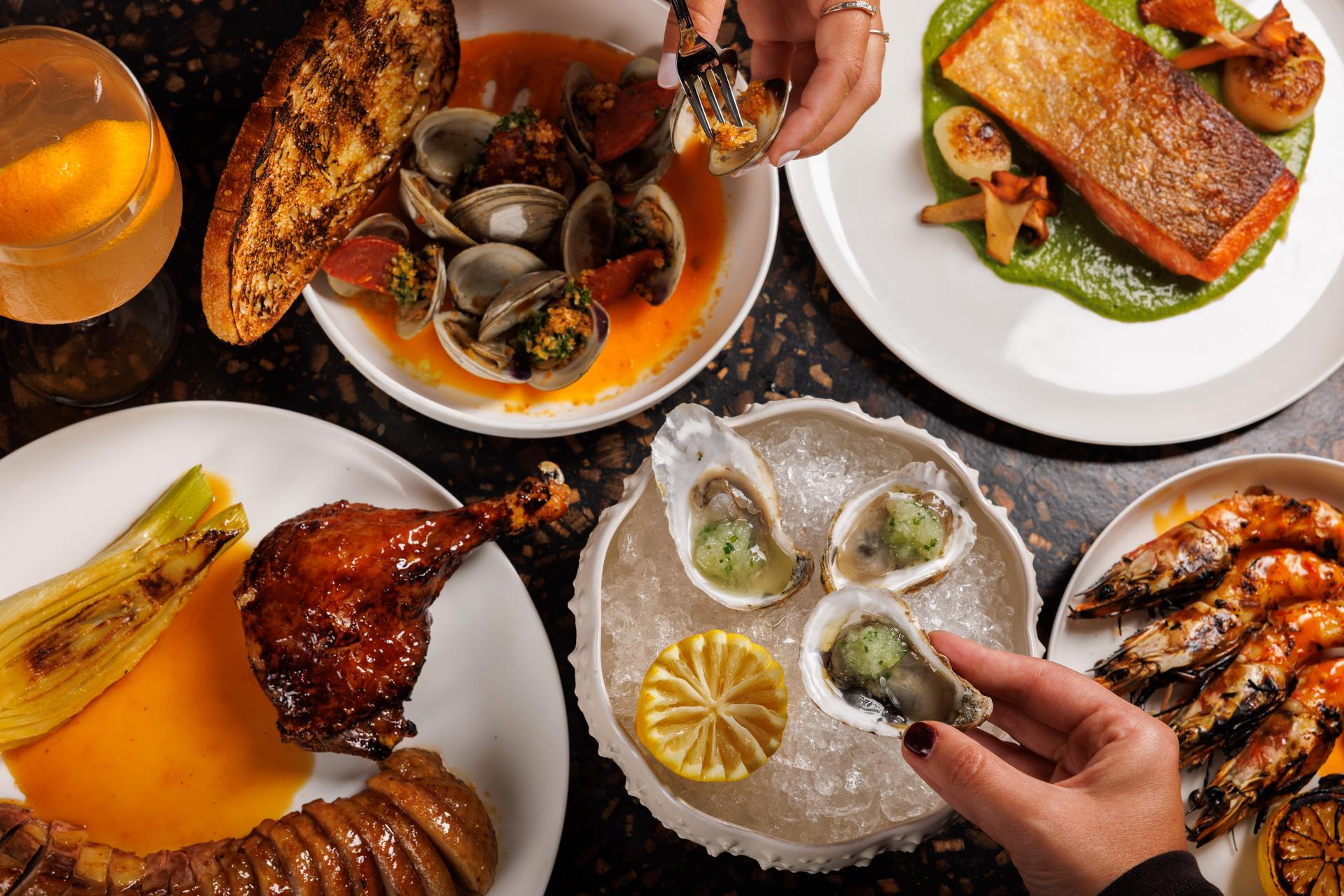
That de-risks the thesis considerably. As an operator, I look for: anchor investment by someone with aligned incentives, genuine daytime foot traffic—Union Square has it in spades—and a gap in the market that matches what we actually do well. The seafood-forward, raw bar concept wasn't trying to replicate what left—it was designed to meet who's actually there now.
You’ve opened restaurants across very different eras of New York dining—from the early days of Lure Fishbar to the nightlife-driven vibe of Bar Mercer. How has your approach to building a “scene” evolved, particularly now when restaurants have to balance destination dining with a strong local following?
The biggest evolution is accepting that you can't manufacture a scene anymore; you can only create conditions for one to grow. In the early Lure days, the room did a lot of the work. The design, the exclusivity signal, the right faces early on. That playbook is largely obsolete, or at least insufficient.
Now the question is: who is this place for on a Tuesday in February? If you can answer that honestly and that person actually exists in your trade area, you have a foundation.
The destination-versus-local tension is real, but I think it's a false binary if you program correctly. A strong local following is what protects you when the destination traffic is cyclical. We think about it as building a layered audience—the neighborhood regular, the occasion diner, the out-of-towner—and each layer has to feel like the room was made for them.
Seahorse sits inside the newly reimagined W New York—Union Square and features interiors by David Rockwell. For restaurateurs considering hotel partnerships, what are the advantages—and the potential pitfalls—of opening within a hotel environment compared to running a fully independent restaurant?
The advantages are real and underappreciated: built-in foot traffic from guests, shared infrastructure costs, marketing support from the hotel's loyalty ecosystem and a landlord who has a vested interest in your success in a way that a purely commercial landlord doesn't. The W partnership meant we were opening into a property that wanted Seahorse to work, and that alignment matters operationally every single day.
The pitfalls are equally real. You're not fully in control of the guest's first impression; the hotel experience bleeds into yours before they ever sit down. Brand coherence is harder to manage. And hotel operators and restaurant operators think about time differently: hotels plan in decades, restaurants plan in quarters.
Navigating that culture gap requires constant communication and a very clearly defined operating agreement up front. The Rockwell interiors helped because great design created a visual and experiential separation, so guests understand they've crossed into a distinct hospitality concept, not just the hotel's food-and-beverage obligation.
Thanks for reading today's edition! You can reach the newsletter team at editor@theprep.co. We enjoy hearing from you.
Interested in advertising? Email us at newslettersales@mvfglobal.com
Was this email forwarded to you? Sign up here to get this newsletter once a week.
The Prep is written by Kelly Dobkin and edited by Bianca Prieto