
Nine restaurants, one vision
A Michelin-starred chef on balancing identity, discipline while overseeing multiple concepts
• public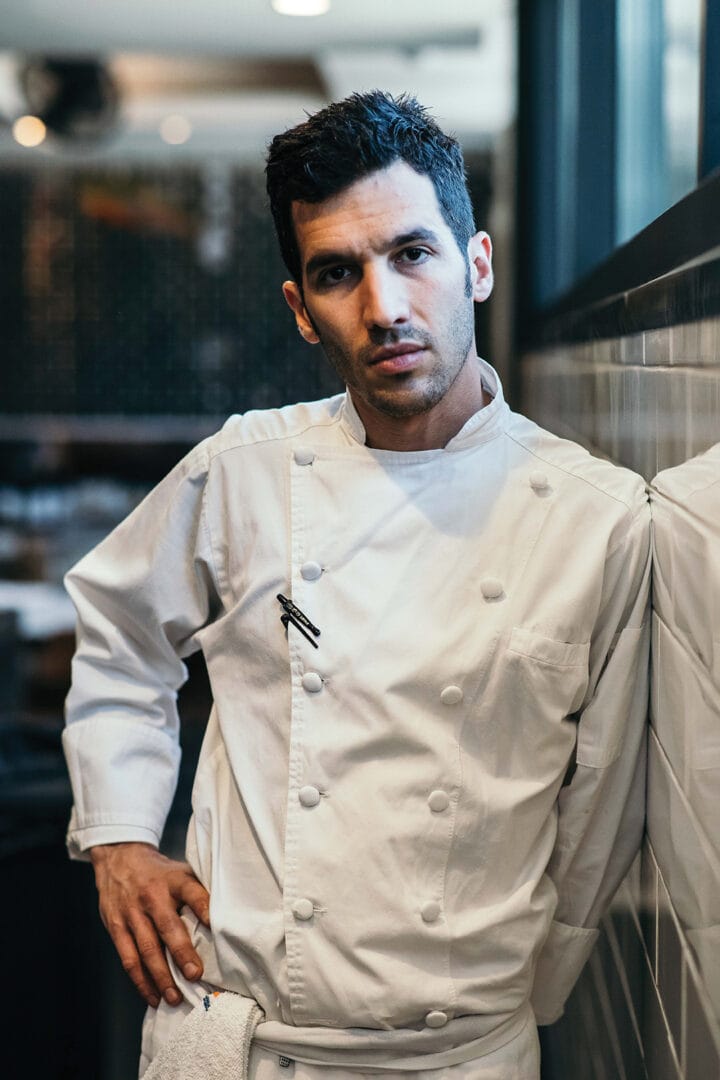
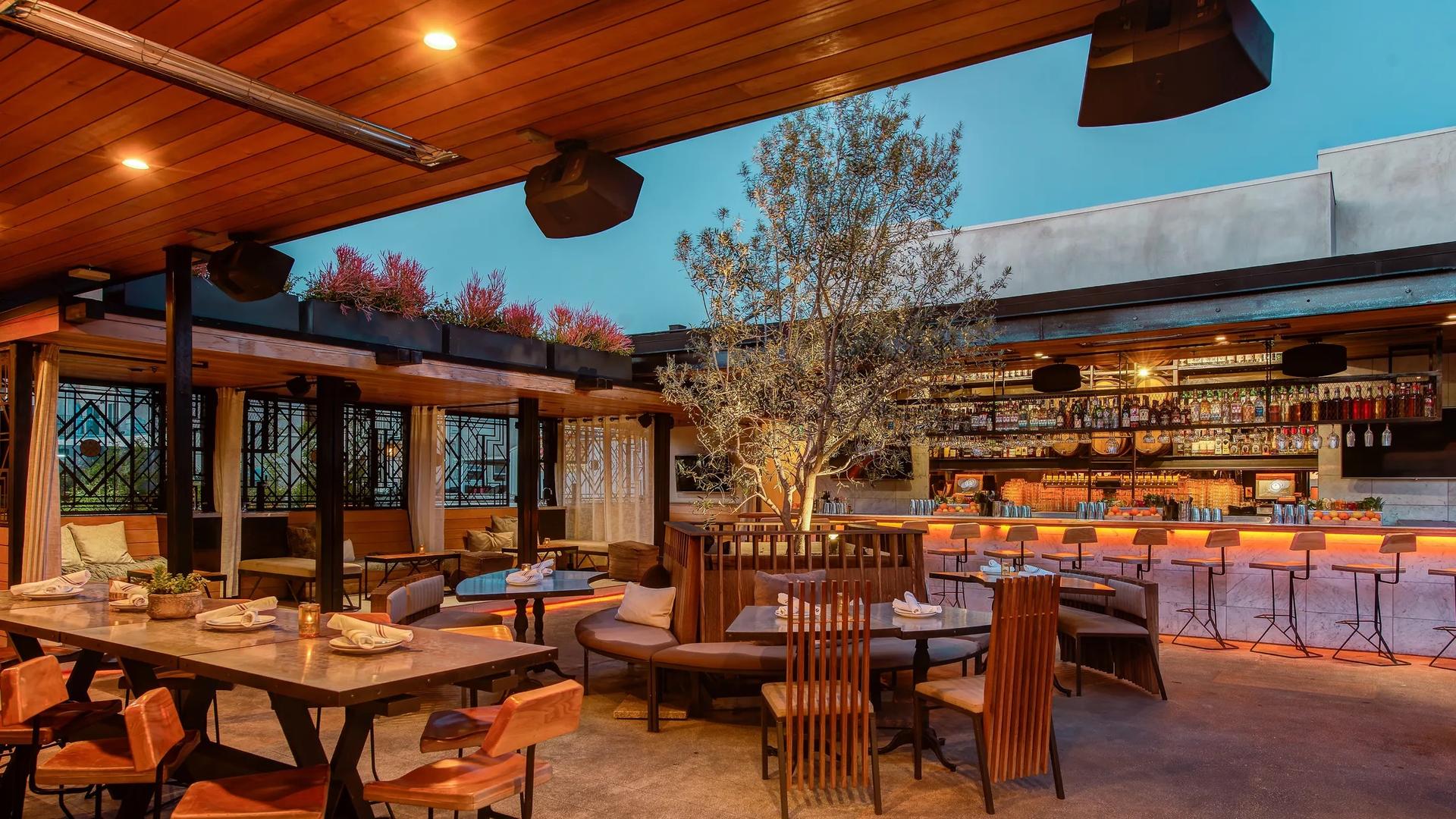
Managing a portfolio of restaurants is no small feat for any chef—and that includes chef Brian Redzikowski, who oversees nine concepts for the San Diego-based SDCM Restaurant Group, including his Michelin-starred Kettner Exchange. His recipe for success is to balance a unified culinary vision with each restaurant’s distinct identity, leaning on technique, discipline and local sourcing as his secret weapons. Redzikowski blends fine-dining rigor with a personal touch, proving that thoughtful sourcing, team communication and a bit of culinary mischief can elevate both flavor and dining experience across a portfolio.
We sat down with him to discuss the challenges of managing a multi-restaurant business, but you can also catch him this spring at the upcoming Pebble Beach Food and Wine in April.
—Interview by Kelly Dobkin, edited by Bianca Prieto
You oversee menu development for nine concepts under SDCM Restaurant Group. How do you balance maintaining a consistent culinary vision across the portfolio while still giving each restaurant its own identity?
It starts with setting a clear culinary vision and quality standards across the group. I lead the menu development for each concept, making sure it fits the restaurant’s identity while still aligning with our overall philosophy. From there, it’s about strong communication with the teams and regular reviews to make sure the execution stays consistent.
Your sourcing philosophy is hyper-local to San Diego—except for burrata from Gioia Cheese Co. What makes that ingredient worth crossing county lines for, and how does that relationship influence the way you build dishes?
Local is important to us, but local isn’t always better. Burrata from Gioia Burrata is a great example. I started using it when I was cooking in Aspen and Los Angeles and built a direct relationship with the producer. They drive it down fresh several times a week, so we’re getting it almost straight from the source. That producer-to-chef connection, without a middleman, gives us a level of unparalleled freshness, and it allows us to build dishes around an ingredient we know is exceptional.
You’ve cooked everywhere from Le Cirque 2000 to Joël Robuchon at the Mansion. How have those fine-dining kitchens shaped the more playful, shareable style diners see today at Kettner Exchange?
Kitchens like Le Cirque 2000 and Joël Robuchon at the Mansion didn’t shape the playfulness as much as they shaped my foundation. Those kitchens were all about technique, discipline and organization—there was nothing playful about them. They taught me precision and respect for ingredients. The more playful side you see today at Kettner Exchange really comes from my personality. I’m the younger brother of two chefs, so there’s a bit of the class clown in me, and that shows up in how I approach dishes now.
Thanks for reading today's edition! You can reach the newsletter team at editor@theprep.co. We enjoy hearing from you.
Interested in advertising? Email us at newslettersales@mvfglobal.com
Was this email forwarded to you? Sign up here to get this newsletter once a week.
The Prep is written by Kelly Dobkin and edited by Bianca Prieto.