
Queens' Hellbender chef on honoring tradition + innovation
Insights from a NYT 100 Best–recognized restaurant
• public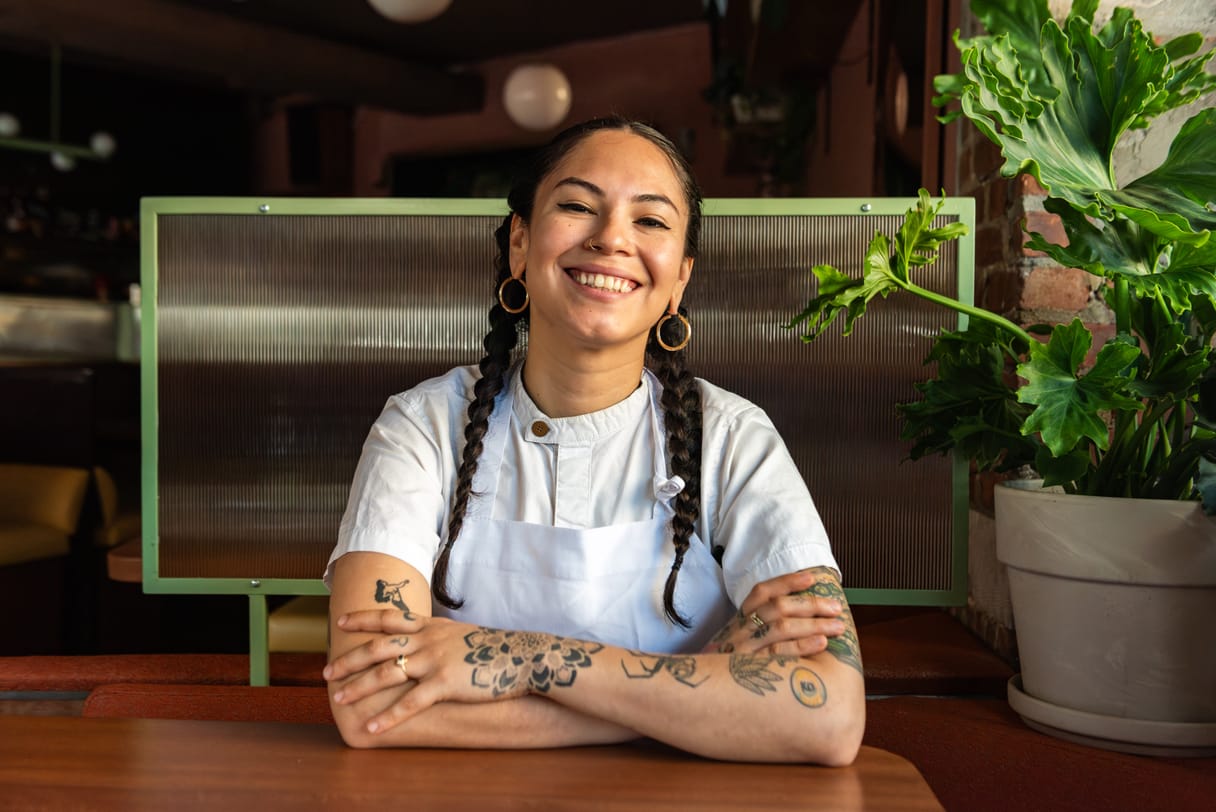

At Hellbender in Ridgewood, Queens, chef-partner Yara Herrera is reshaping how Mexican food shows up on the New York dining scene—rooted in memory, ingredients and technique. And critics are taking notice: in late 2025, the restaurant was included in the NY Times 100 Best Restaurants in NYC mega-list. Herrera is no stranger to the spotlight, having worked at critically acclaimed restaurants like Momofuku Ko, Providence (LA) and Majordomo.
Here, Herrera talks about balancing nostalgia with innovation, committing to heirloom masa and Mexican producers, and listening closely to the neighborhood she calls home as Hellbender grows into a community anchor.
—Interview by Kelly Dobkin, edited by Bianca Prieto
Hellbender reimagines familiar Mexican dishes in unexpected ways. How do you balance approachability with innovation when translating the food you grew up with into a restaurant context?
It’s hard to balance approachability with innovation when we’re speaking about food from another country. I want the food I make to feel familiar, but I also want to be able to introduce guests to something new. I think the best way to translate this into food is to stay true and honest to the things I enjoy eating. I try my best to work with nostalgic flavors and combinations and give [people] a Mexican twist, whether it’s using Mexican flavors or techniques. But at the end of the day, what matters is that what you put on the plate is tasty.
You’ve spoken about honoring heritage grains and working with Mexican producers to source heirloom masa and other ingredients. How does your approach to sourcing shape the day-to-day operation of Hellbender, and what challenges or rewards come with that commitment?
It was during my time at Xilonen that I really indulged in nixtamalization and native heirloom ingredients. During this time, I learned how hard it was to keep up with demand. I am grateful now that I met a community of chefs in New York that prioritize heirloom corn. It’s places like Sobre Masa that have really eased the difficulties of sourcing and importing native heirloom corn. They do all the hard work now; I just continue to support the cause as a buyer. If we run out of corn products before our next delivery (which we have), we will not substitute with anything lesser. We simply must adjust and change the menu.
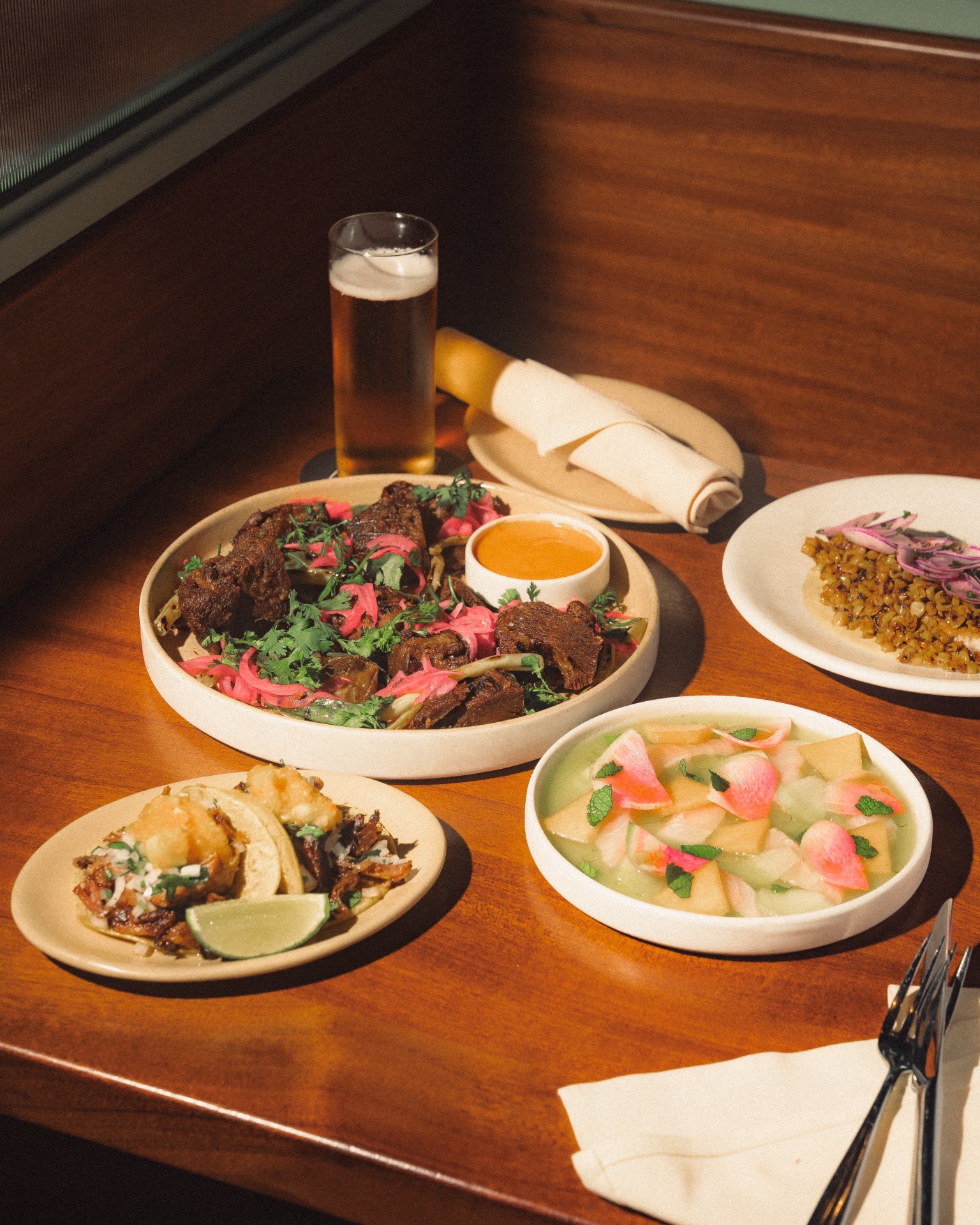
(Photo credit Meric Topcu)
Ridgewood is rapidly evolving as a dining neighborhood. How have the local community and its diversity influenced Hellbender’s development—and what role do you see the restaurant playing in the neighborhood’s food culture going forward?
From the first day of opening Hellbender, I have received feedback with open arms. It’s important to me to listen to what the neighborhood is saying because this is also my home. I want everyone to feel welcome, and we’ve adjusted to some of the feedback we received. Although you can’t always please everyone, I think we’ve earned our neighbor’s respect. Ridgewood is special in the way that the community that resides here is always looking out for each other. In my opinion I think a lot of the Latinos are happy to see their culture being represented. I think some neighbors like that they can have a nice dinner in a nice setting, without having to go to Manhattan. I hope that this paves the way for other foods and minorities.
Thanks for reading today's edition! You can reach the newsletter team at editor@theprep.co. We enjoy hearing from you.
Interested in advertising? Email us at newslettersales@mvfglobal.com
Was this email forwarded to you? Sign up here to get this newsletter once a week.
The Prep is written by Kelly Dobkin and Bianca Prieto.