
Roscioli rewrote the whole concept for New York
The restaurant he planned evolved into the one guests want
• public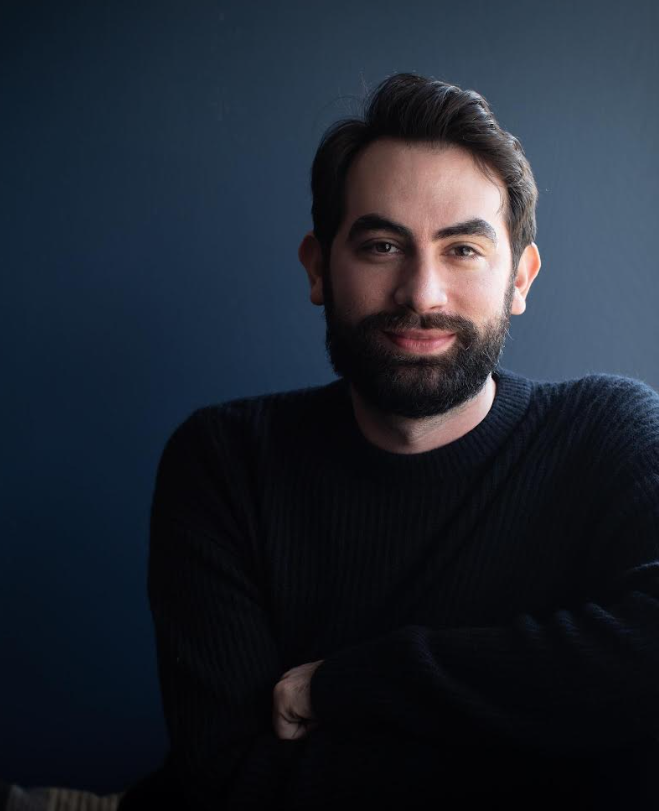
From bringing an iconic Roman restaurant to New York to operating one of the city’s most immersive dining experiences, Max Katzenberg has built a career around adapting concepts without losing their identity. As managing partner for Roscioli NYC, Tokyo Record Bar and Pearl Box in NYC, he has learned that success comes down to more than a great chef or beautiful space—it requires constant evolution, a deep understanding of guests and a culture where hospitality comes first. We spoke with Katzenberg about adapting international concepts, building strong teams and why flexibility is the key to long-term success.
—Interview by Kelly Dobkin, edited by Bianca Prieto
You've worked with restaurants that range from neighborhood-driven concepts to highly experiential destinations. What operational systems or tactics have proven most transferable to what you're doing now?
No matter how experienced you are, how much capital you raise, how great your space is or how fantastic your chef is, flexibility is the key to finding the value proposition sweet spot. Fine-tuning what you are doing to what your guests want out of your brand is the secret sauce.
Arbitrarily sticking with plans made in spreadsheets and in daytime meetings can be the difference between winning and losing. Live by the motto: Exceed expectations. Service and hospitality at their best make the food taste better.
In bringing a famous international restaurant like Roscioli to NYC, how much had to be adapted for a local audience (if anything)?
Short answer: Almost everything. Immediately upon opening, we saw our guests interacting with Roscioli entirely differently than they do in Rome. Same exact people—not just the same demographic—with an entirely different set of expectations and perceived value. It honestly took a couple of YEARS to dial this in, from menu size to portion size and pricing to format to steps of service to seating times, and on and on. Very little from Rome was consumed well by the market here, unadapted, except, of course, for recipes—an entirely different challenge!
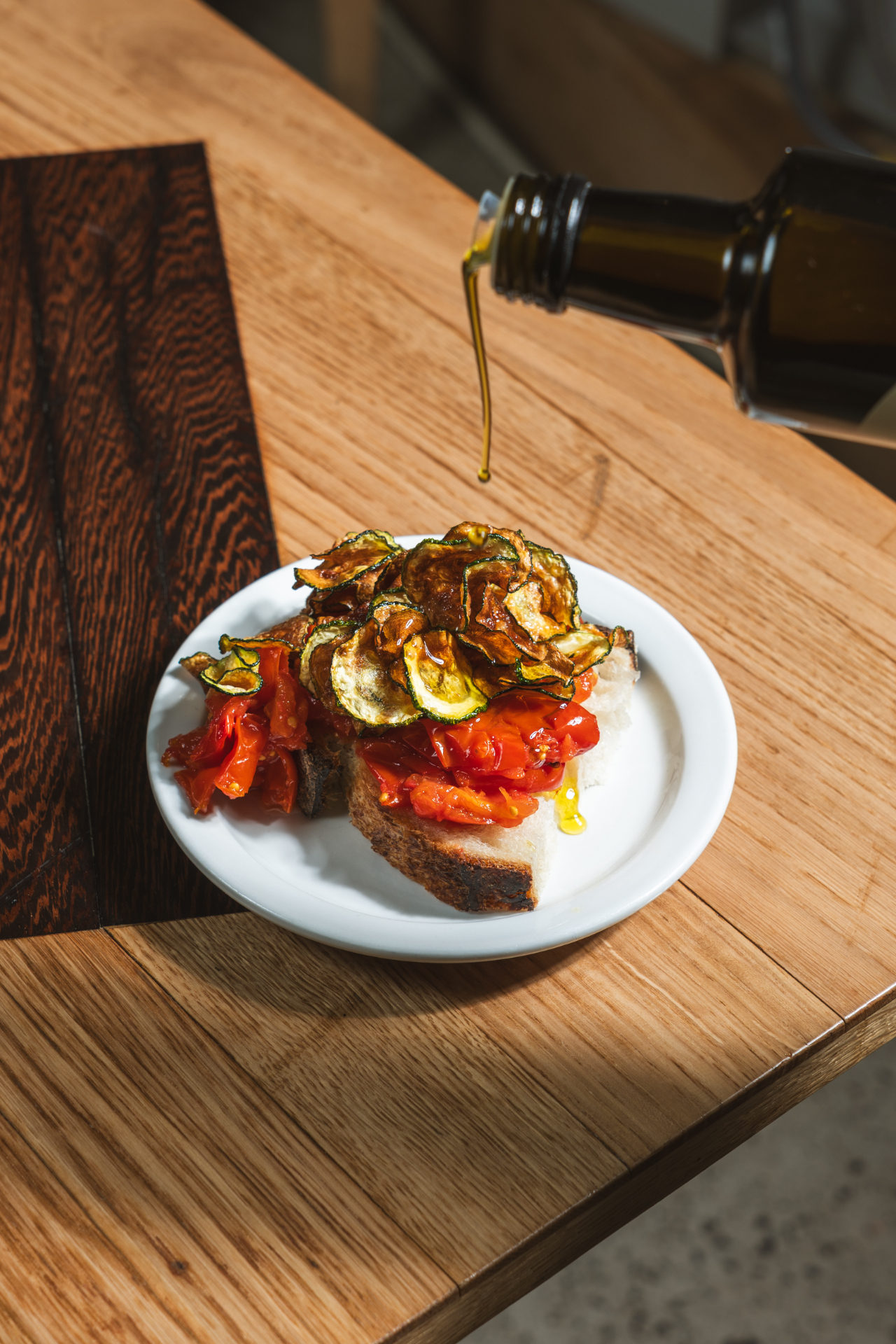
Only a small percentage of our ingredients in Rome are imported by American distributors, so we began importing our own, which is not a normal thing for a restaurant operation to do! Finding a culinary team passionate about authentic Italian gastronomy—one not looking to Americanize it at all—was almost impossible at the outset. It wasn’t until our culinary director, Taylor Heater, came on board that the team started to form around him, equally deferential to Italian authenticity and curious about the old-world boundaries of creativity.
Labor remains one of the industry's biggest challenges. What changes have you made to hiring, training or retention over the past few years that have delivered results?
Managing labor has evolved rapidly over the past 10 years. I was lucky to partner with Ariel Arce and Mattias Moliterni when I returned home to New York from Maine in 2023. The company culture they brought me into has very little turnover. The compensation matches the stress, and there is a strong identity rooted in transparency and palpable opportunity to grow. Rooting the day-to-day in lifting each other up and supporting one another is the key. The fact is, both employee pay and employee protections are stronger than ever. We hear about operators stuck in the old school “take it or leave it” mindset suffering consequences all the time. There are more great leaders building incredible things out there for talent to be attracted to than ever before.
(Headshot photo credit Roscioli NYC)
The Prep's Take
Taking a restaurant concept across borders comes with a unique set of challenges. The ability to adapt—whether it’s the menu, service style or overall experience—is often what separates successful transplants from those that struggle. Understanding your audience is just as important as preserving the vision that made the original concept special.
Thanks for reading today's edition! You can reach the newsletter team at editor@theprep.co. We enjoy hearing from you.
Interested in advertising? Email us at newslettersales@mvfglobal.com
Was this email forwarded to you? Sign up here to get this newsletter once a week.
The Prep is written by Kelly Dobkin and edited by Bianca Prieto