
The restaurant that blurs the lines in hospitality
People come back when your restaurant is also a bar, a music venue and an event space
• public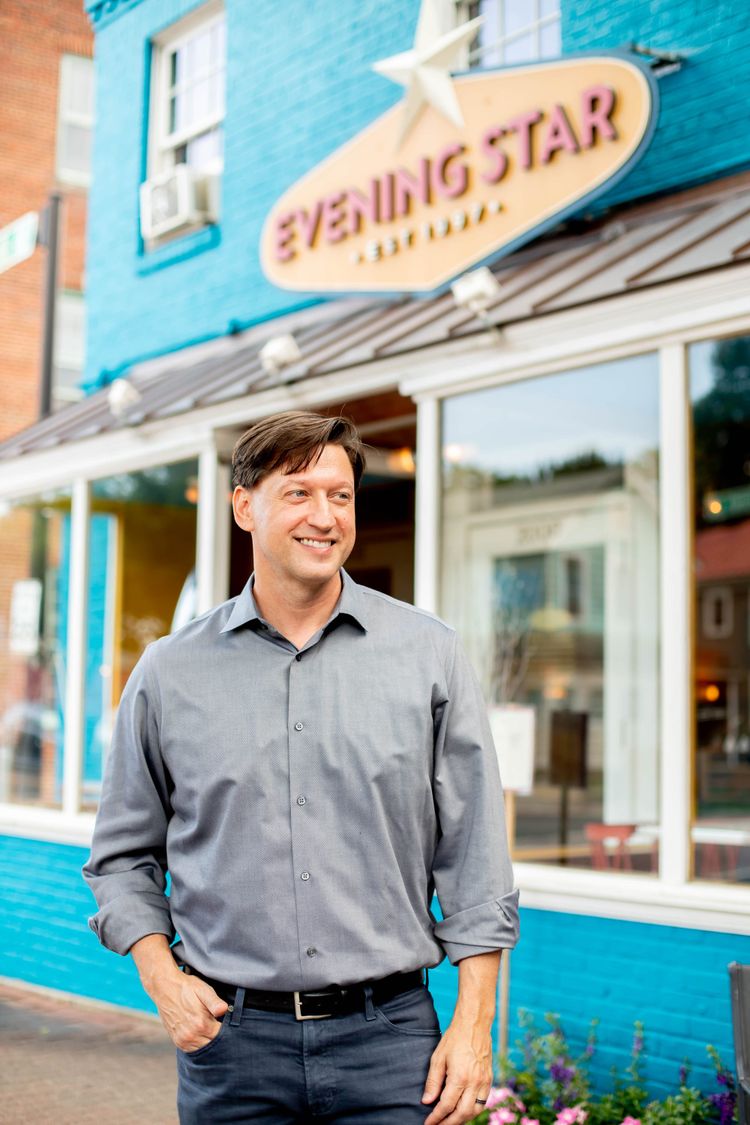
In New Orleans’ crowded hospitality landscape, Junebug stands out as a deliberately hybrid space—part restaurant, part cocktail bar, part music venue and part cultural hub.
Created by Neighborhood Restaurant Group founder Michael Babin, the concept reflects a broader philosophy of "choose-your-own-adventure" hospitality shaped by decades of building layered neighborhood destinations. Here, Babin reflects on why diners are gravitating toward multifunctional spaces, how music and history inform Junebug’s identity and why, at its core, the business remains rooted in people rather than format.
—Interview by Kelly Dobkin, edited by Bianca Prieto
Junebug feels intentionally multidisciplinary—part restaurant, part cocktail bar, part music venue, part event space. What inspired you to build a concept that blurs those lines, and what do you think diners are craving from hybrid hospitality spaces right now?
These kinds of multidisciplinary spaces are in Neighborhood Restaurant Group’s (NRG) DNA, going back to our very first restaurant, the Evening Star Cafe in Alexandria, Va., which will turn 30 next year. After 29 years of work and rework, the Star encompasses a chef-driven neighborhood restaurant, a funky cocktail bar, a whiskey-focused lounge with a pool table and live music, a front patio and a backyard barbecue concept with a 30-tap beer trailer. At the Star, and other similarly designed NRG properties, including Junebug, people arrive every night to a buzzing third space that gives them the experience they are craving, whatever that might be.
People appreciate optionality, and part of being a great neighborhood restaurant is giving the community a variety of experiences under one roof. Our guests can choose their own adventure based on their mood, the event, their purpose for being there that night and the people they’re with. Even better, once they’re there, they can change their mind, decide they’re up for something totally different and enjoy a different part of the space.
The building’s history as Jazz City Studio gives the space a strong cultural legacy. How did that musical history shape the atmosphere and identity of Junebug?
The history of the building and its significance within the legacy of the most music-centered city in America led us to develop a special and detailed music program that would not only celebrate that history, but hopefully extend it. The vinyl program and the Junebug Music Club can be a reason to come in, or guests can simply visit for other more special purposes, allowing guests to learn or experience something new. If all the guests get out of our music program is a background soundtrack to a fun night out, it will make their experience that much better.
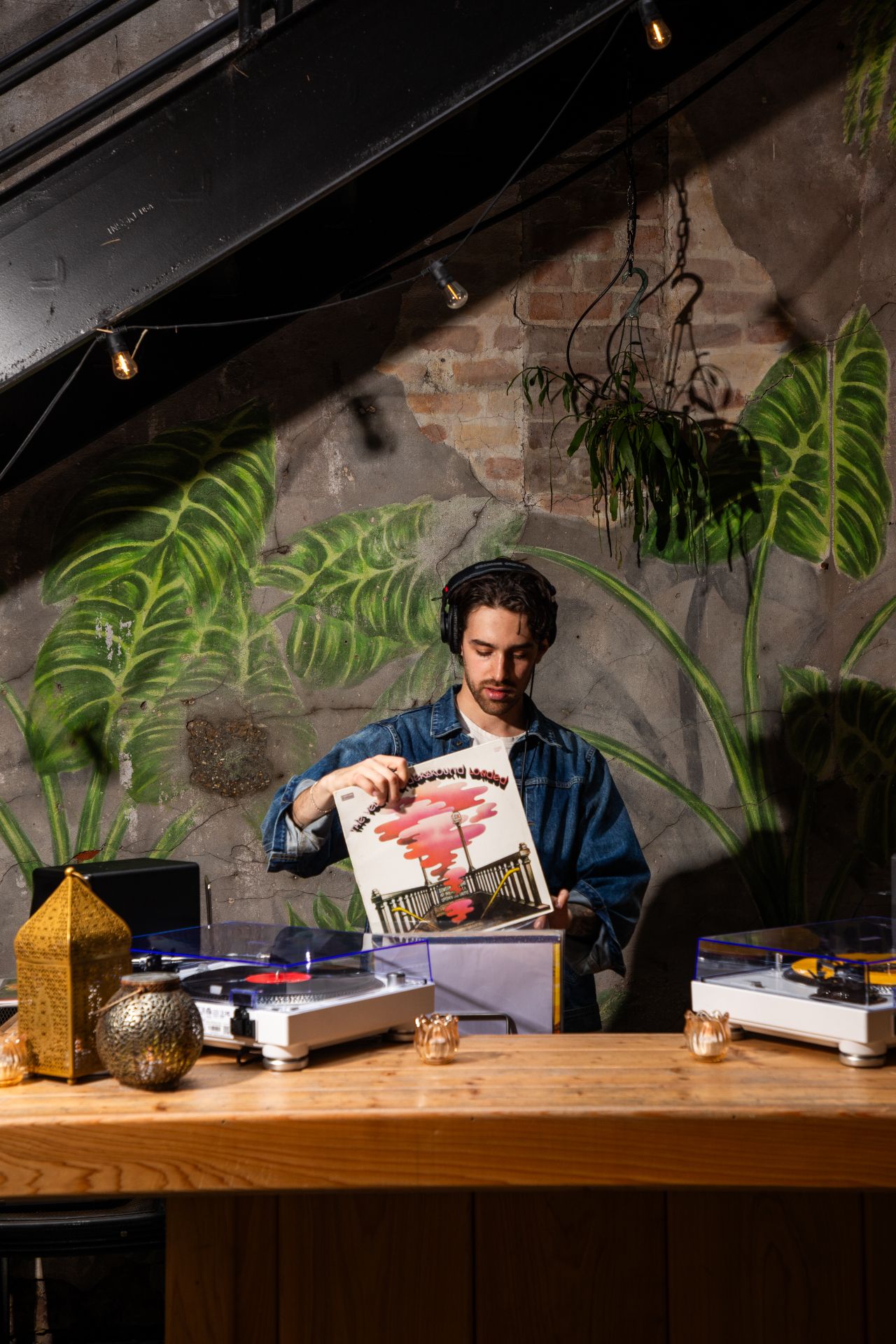
(Photo credit Randy Schmidt)
New Orleans has no shortage of restaurants and nightlife concepts competing for attention. How do you think about creating a venue people return to not just for food and drinks, but for a broader emotional or cultural experience?
We call it the food and beverage business, but if you’re in it, you know it’s really the “people business”. The menu, drinks, music program and space itself all matter a great deal. We put a lot of thought and effort into each of them. None of that will create a lasting impression in the absence of great people delivering exceptional service and going out of their way to make connections with guests. This is true wherever you are, in any city, and especially in a city like New Orleans that is justifiably legendary for the quality of its hospitality. It’s a challenge, but one that we happily embrace!
(Headshot photo credit: Neighborhood Restaurant Group)
The Prep's Take
Most independent restaurants are built around one format and one occasion. Babin's argument is that the more reasons you give guests to come back—a different corner of the room, a different program on a different night—the harder it is for them to stop coming. You don't need a full music venue to apply this. A rotating event, a distinct bar program or a flexible back room is enough to start giving guests a reason to choose their own experience.
- Q&A: The desert dining destination with a cult following
- In the vault: Every operational lesson we've published for independent restaurants this year
Thanks for reading today's edition! You can reach the newsletter team at editor@theprep.co. We enjoy hearing from you.
Interested in advertising? Email us at newslettersales@mvfglobal.com
Was this email forwarded to you? Sign up here to get this newsletter once a week.
The Prep is written by Kelly Dobkin and edited by Bianca Prieto.