
What building a restaurant on $60K forces you to figure out
How frugality, honest partnerships and one-on-ones built a lasting restaurant business
• public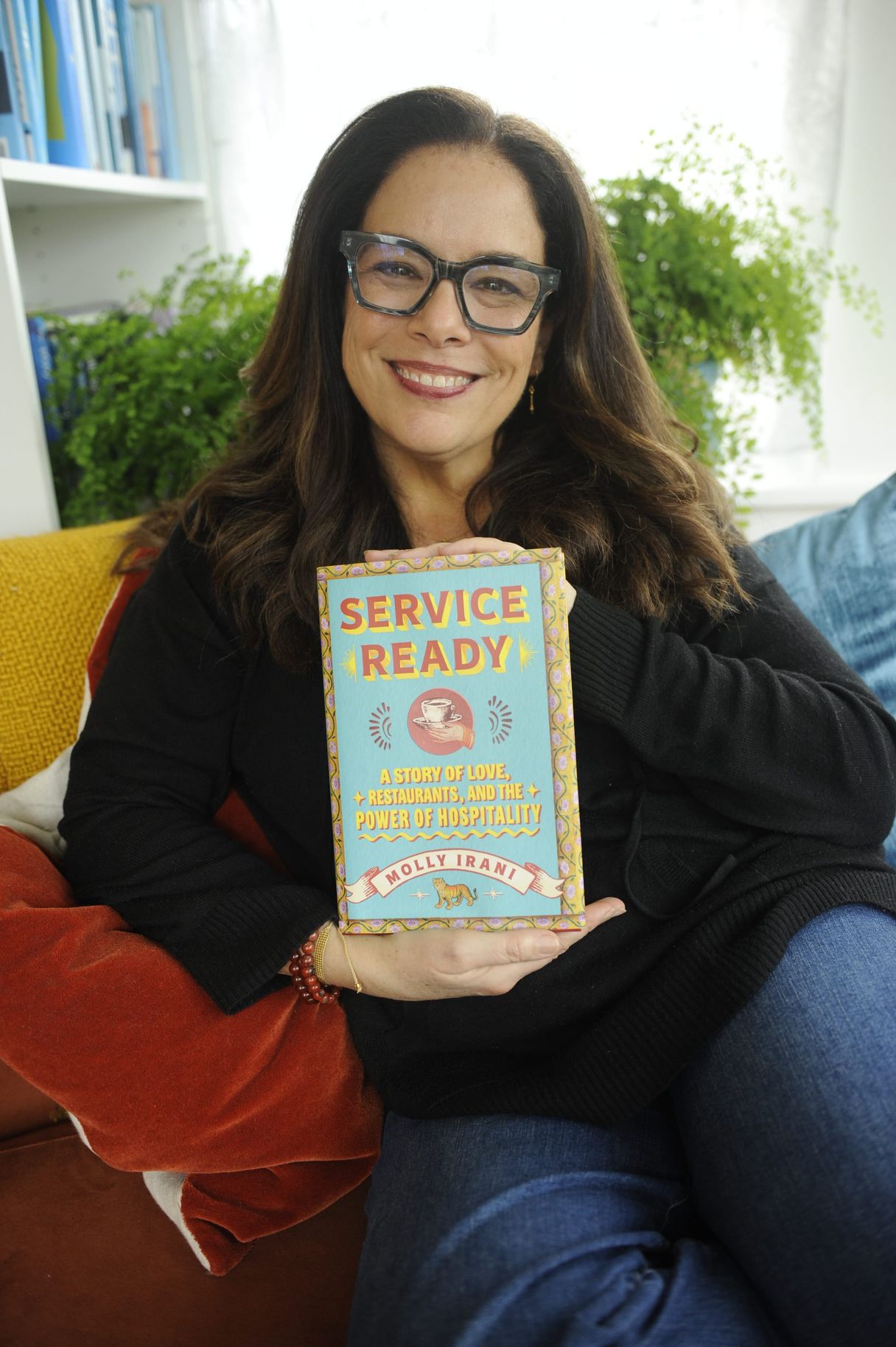
Opening a restaurant in the middle of a recession with $60K and no safety net isn’t exactly a winning formula—unless you’re Molly Irani.
In her new memoir, "Service Ready", the co-founder of Asheville’s James Beard Award-winning Chai Pani reflects on building a restaurant inspired by Indian street snacks with her husband, Meherwan, rooted in frugality, people-first culture and what she calls “mindblasting hospitality.” In this interview, she shares the early decisions that mattered most—and how they continue to shape the company today.
—Interview by Kelly Dobkin, edited by Bianca Prieto
You write about starting Chai Pani during the Great Recession with just $60K and a lot of uncertainty. Looking back, what were the most critical early decisions that actually set you up for long-term success—and which ones mattered less than you thought?
When we opened our first restaurant, it was the middle of the 2009 economic collapse—banks were on lockdown, and no one was lending. So we had to start extremely modestly and rely on creativity and ingenuity to pull it off. Because of this, we did not start with heavy debt loads that could have set us up for failure. What at the time seemed like our greatest challenge turned out to be a huge blessing. We were forced to make do with less, and that learning built our muscle of thinking carefully about how every penny was spent.
Those early lessons in frugality would prove to be essential as our business grew, and especially when it navigated the pandemic and all the ups and downs that we faced over the years.
We learned that we didn't need expensive furniture or professional consultants to build a compelling space. We could do that ourselves if we paid attention to the details and focused on how customers felt in the space and how the details help tell the story we aim to tell.
What mattered more was hiring engaging, kind, committed people who were excited about our concept and wanted to help make it something special. What set us up for success was the team we started with, who ended up growing right along with us as our business grew.

A major thread in the book is building a “people company,” not just a restaurant. What are the specific systems (check-ins, communication strategies, org structure) that made that philosophy operational, not just aspirational?
It's one thing to hold this philosophy—learning how to weave it into daily operations was a process. It started with us paying attention to where we were focusing our time as leaders. If we only had time for balancing the books and dealing with the never-ending fires that pop up in service, we would never get out of working reactively. It took us some time to learn how to set goals for ourselves and work proactively.
One of the strategies we implemented was regular one-on-one check-ins with every employee. It was a major investment of time to pull that off. In the beginning, my husband and I (we cofounded the business together) were hands-on running service and the business of the business, so making time to sit down and talk with all employees was a big lift. Over time, it got easier as we grew and had managers helping us run the business.
Now, with multiple locations and brands in different cities, that practice is still in place—every employee sits down for a focused check-in with their supervisor a couple of times a year. It's an opportunity for the supervisors to practice active listening and for the team members to be heard. It fosters a mentoring relationship between them and it offers the supervisor important information on how to help every individual succeed.
You emphasize “mindblasting hospitality” and creating emotional connection in a fast-paced environment. How do you train and maintain that level of service consistently without burning out your team?
We aim to empower our teams to get creative in service. When they feel free to think outside the box and come up with their own brilliant ideas on how to take care of someone, it fosters buy-in and excitement within the team.
It's about learning how to have each other's backs and take care of ourselves well in service so that there is a support system and no one feels alone or burdened by it. When people work in a supportive environment where they can be themselves and use their creativity to surprise and delight our guests, service becomes a joy.
You and Meherwan built the business as life partners while navigating growth, crisis and reinvention. For operators in partnerships—romantic or otherwise—what structures or boundaries proved essential to making both the relationship and the business sustainable?
Finding the courage to be honest with each other was essential. We had to stay current about issues when they came up and not let them build up to the point of becoming nuclear. It was hard in the early days when we were working crazy hours, but we did it over and over again, choosing each other and choosing the hard, honest conversations that led us to resolution and personal growth.
We had to establish clear zones of responsibility and learn not to meddle in each other's zones. We also had to pretty regularly rethink our zones as the business grew and changed. We had to stay flexible enough to keep adapting to what was needed and adjust when it wasn't working.
One trick we learned that saved us was to evaluate this question: "What is my highest, greatest contribution to the business?” When we were able to align our work with the work that mattered most for us to personally be doing, we became our highest functioning selves.
And, the bonus of that is it helped us stay excited about our work and prevent burnout. When the work we're doing makes a significant impact, we feel a qualitative difference, and that feeds us as individuals while also helping the business get what it needs from us.
The Prep's Take
Setting up regular check-ins with staff can be instrumental in building lasting relationships with your team and reducing employee turnover. Designating time for regular 1:1s can help your employee address concerns directly and make them feel seen and heard.
Thanks for reading today's edition! You can reach the newsletter team at editor@theprep.co. We enjoy hearing from you.
Interested in advertising? Email us at newslettersales@mvfglobal.com
Was this email forwarded to you? Sign up here to get this newsletter once a week.
The Prep is written by Kelly Dobkin and edited by Bianca Prieto.