
What today’s diners want from restaurants
Plus: Menu choices to boost margins | New dining trends to plan for
• public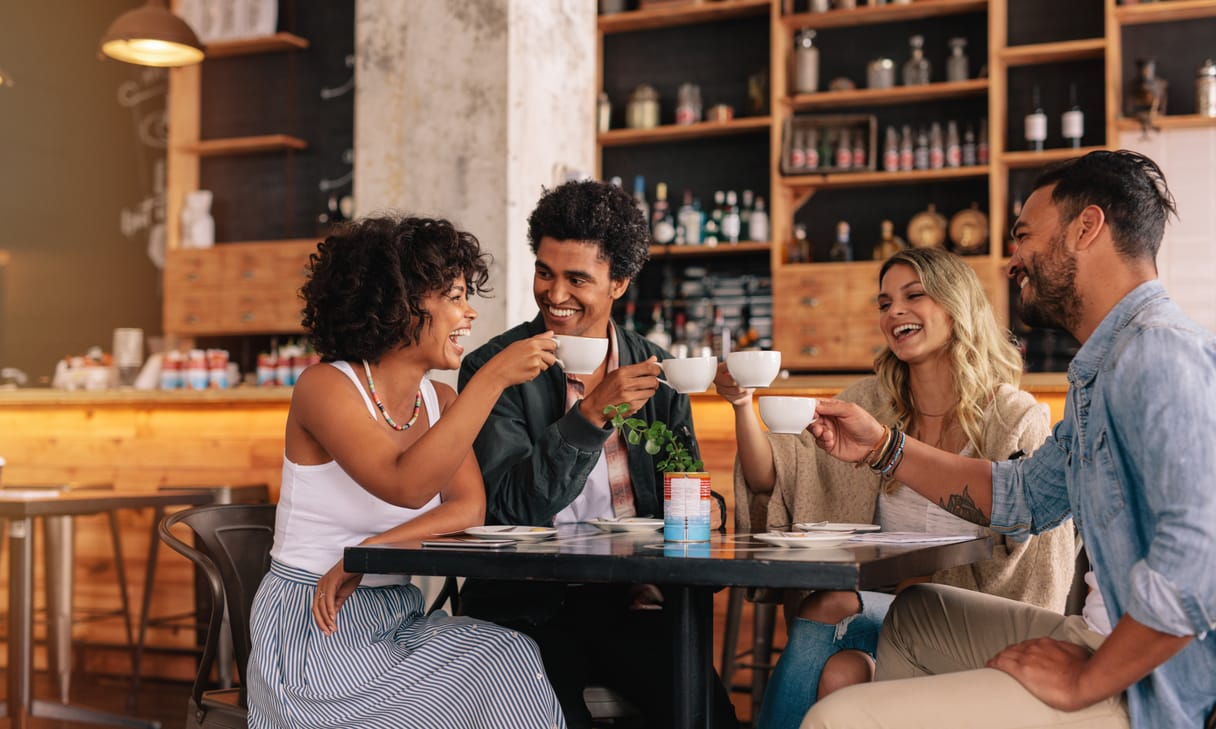

The biggest opportunities for restaurant owners aren’t coming from flashy tech alone—but from understanding people better. This week, we dig into why human connection remains hospitality’s strongest currency, how smarter menu engineering can quietly reshape profitability and what shifting dining behaviors (hello, solo diners and friend-date Valentines) mean for operators. Together, they point to a future where empathy, intentional design and flexibility separate the restaurants that endure from those that struggle.
But first, creative all-day cafes and diners are thriving.

Cozy corners. The new third spaces are restaurants that feel like living rooms.
Opening magic. The restaurant that once defined fine dining at Disneyland is back.
Seeing stars. What it’s really like to be a restaurant critic.
Playing it safe. One chef on the upside of opening a restaurant inside a hotel.
Red flag. The service mistake that could cause someone to walk out of your restaurant.

The future of restaurants is more human than ever
Despite the pressure to add more tech, the future of restaurants will be defined by human connection—between staff, guests and culture. Operators who prioritize empathy, authentic service and people-centric leadership will outperform those relying solely on tech or efficiency gains.
Why it matters: For restaurant owners, this underscores that hospitality isn’t just about systems or gadgets—it’s about relationships. Fostering strong culture, connection and emotional intelligence among teams can improve retention, service quality and guest loyalty. In an era of turnover and automation, human-driven experiences remain a competitive advantage. (Nation’s Restaurant News)
Menu engineering decisions that impact your bottom line
Menu engineering isn’t just about recipe cost and design—it’s a strategic business lever. Smart menus shape customer behavior, improve profitability and align culinary creativity with operational goals. Prioritizing menu architecture, pricing and item placement can significantly impact revenue and overall brand positioning. This article provides formulas to help you determine the best menu for your business.
Why it matters: For restaurant owners, viewing menu engineering as a core business strategy can boost margins and guest satisfaction. Thoughtful menus drive higher-margin items, streamline inventory and clarify customer choices. In competitive markets and inflationary environments, intentional menu design can be a key differentiator that improves performance and drives growth. (Modern Restaurant Management)
Valentine’s Day dining is no longer just for couples
Valentine’s Day dining is going beyond couples, with more solo diners, friends and groups planning restaurant meals on February 14. Data from OpenTable shows the holiday is increasingly about broader celebrations of connection rather than just romantic dinner dates, reflecting evolving consumer behaviors.
Why it matters: For restaurant owners, this shift signals an opportunity to rethink Valentine’s promotions and dining formats. Offering flexible seating, group-friendly menus and solo dining experiences can help capture a wider pool of demand. Tailoring offerings beyond traditional couple-centric prix fixe menus may boost covers and revenue on one of the year’s biggest dining occasions. (Restaurant Business Online)

47%
The percentage that solo dining makes up in fast-food trips, compared to 31% in 2021. (Axios)


British food is trending in the U.S.
11 problems restaurants are dealing with now
Prominent NYC restaurateur possibly named in Epstein emails
Thanks for reading today's edition! You can reach the newsletter team at editor@theprep.co. We enjoy hearing from you.
Interested in advertising? Email us at newslettersales@mvfglobal.com
Was this email forwarded to you? Sign up here to get this newsletter once a week.
The Prep is written by Kelly Dobkin and edited by Bianca Prieto