
Beverage innovation
Plus: Dignity Act could reshape labor | Know your customer types
• public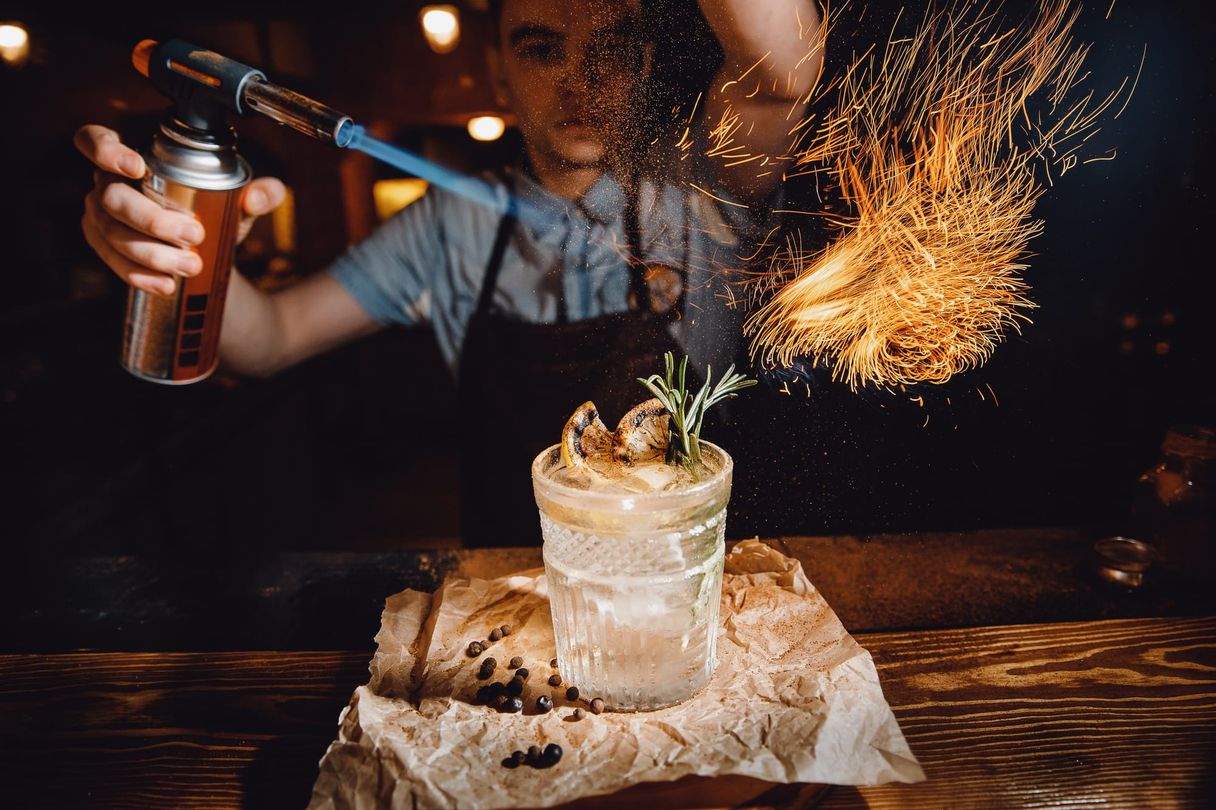
The restaurant industry is caught between lingering uncertainty and real opportunity. This week, we dig into where consumer spending could rebound, why beverage and casual dining may lead the way, and how the Dignity Act could reshape labor. We also look at why understanding your customer mix—from deal-seekers to true fans—remains one of the most overlooked growth strategies.
But first, here’s why even great restaurants are closing in 2026.

Living in fear. It’s worse than what you’re seeing: Hospitality workers on the front lines of ICE raids
Well-plated. Why hyper-regional authenticity defines Asian food in 2026
Dazzling debut. London’s Michelin-starred Indian spot Gymkhana opens in Las Vegas
App takeover. How food delivery is reshaping mealtime
Au revoir. L.A.’s oldest, most iconic French restaurant is closing in March

Uncertainty persists in 2026, but opportunity is taking shape
The forecast for the restaurant industry for 2026 shows continued uncertainty after a rough year, but there are opportunities in beverage innovation and casual dining. While challenges persist, especially around cost pressures, experts see potential for diner spending to improve and for creative operators to capture demand with differentiated experiences.
Why it matters: For restaurant owners, this outlook highlights that recovery won’t be uniform: innovation and adaptability matter. Investing in standout beverage programs, casual concepts and guest experience can help capture consumer demand even as macro pressures linger. Understanding where spending is likely to rebound allows operators to allocate resources more strategically in 2026 planning. (Restaurant Dive)
What the Dignity Act could mean for restaurants
The Dignity Act of 2025 is bipartisan legislation aimed at easing U.S. restaurant labor shortages by adjusting how EB-3 visas are allocated. Instead of counting workers and their families toward visa caps, only the principal employee would count, potentially freeing thousands more visas and streamlining workforce access for essential kitchen and service roles.
Why it matters: For restaurant owners struggling with chronic staffing gaps, the Act could offer a lawful path to more stable, long-term employees, reducing turnover and recruitment costs. Preparing now with immigration counsel and identifying roles suited for sponsorship can help operators plan ahead, improve continuity and protect service quality in a tight labor market. (Nation’s Restaurant News)
The six customer types every restaurant should know
Understanding the six types of hospitality customers from “mercenaries” who seek deals to “fans” who are brand evangelists can help restaurants tailor service, communication and experiences to better meet guest motivations and expectations across diverse dining scenarios.
Why it matters: For restaurant owners, segmenting guests by behavior and motivation allows more strategic marketing, personalized service and loyalty building. Recognizing who your diners are, not just what they order, can improve retention, boost check averages and guide menu, pricing and experience design to turn occasional visitors into devoted repeat guests. (Modern Restaurant Management)

-1.9%
The percentage that food costs fell in November and December; the largest dip since March 2025. (National Restaurant Association)

California’s last Rainforest Cafe clings to life in an aging mall
Fear and chaos threaten restaurants’ immigration plans
What is “grandma-core” dining? Nostalgia trend booms in restaurants
15 of the oldest chain restaurants still open in the U.S.
L.A.’s buzziest new coffee shop is in the back of someone’s home
Thanks for reading today's edition! You can reach the newsletter team at editor@theprep.co. We enjoy hearing from you.
Interested in advertising? Email us at newslettersales@mvfglobal.com
Was this email forwarded to you? Sign up here to get this newsletter once a week.
The Prep is written by Kelly Dobkin and edited by Bianca Prieto.