
Investing in your people is a profitability strategy
How one Nashville restaurant group turned employee investment into a competitive advantage
• public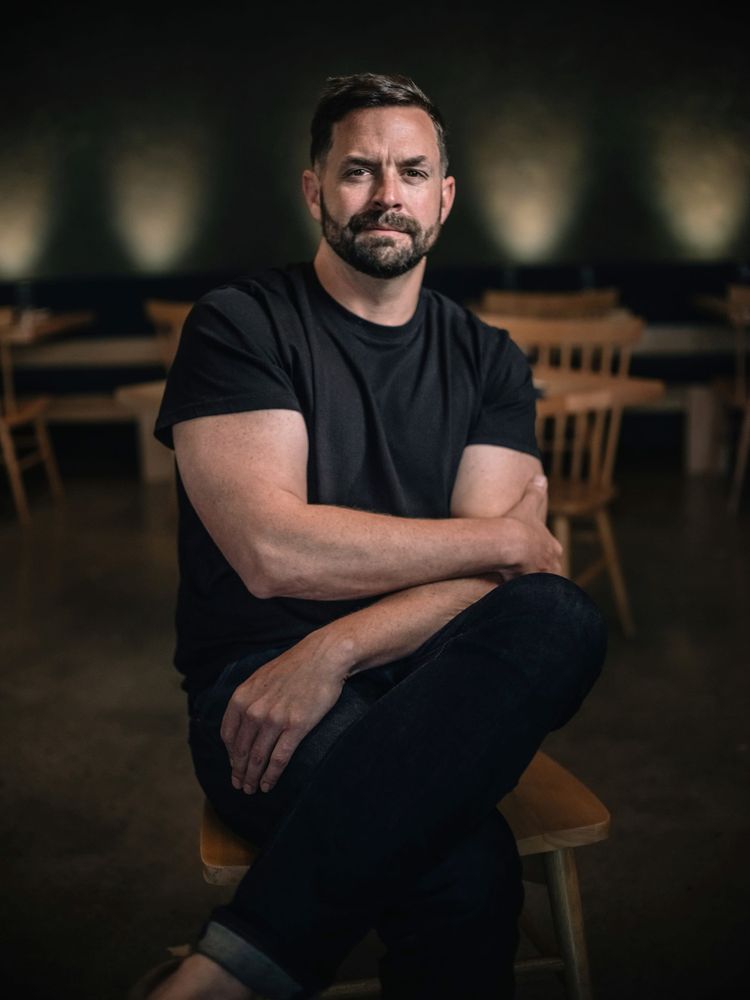
At a time when many restaurant operators are struggling with labor costs and retention, Nashville’s Noko Hospitality is taking a different approach: reinvesting 5.5% of sales back into its employees. Founder Jon Murray, who started the group in 2023 alongside partners executive chef Dung “Junior” Vo, and managing partner Wilson Brannock, explains why they chose to prioritize benefits, leadership and long-term culture—and how a people-first philosophy has become a competitive advantage. From reducing turnover to redefining what restaurant careers can look like, Murray shares lessons for operators looking to build more sustainable businesses.
—Interview by Kelly Dobkin, edited by Bianca Prieto
Many operators say they want to invest more in their employees, but the economics can be challenging. How did you arrive at the decision to reinvest 5.5% of sales back into staff benefits, and what metrics convinced you it would be sustainable?
We grew up in the restaurant industry and remain hands-on operators to this day. We've lived the long hours, the holidays worked and the reality of spending 10–12 hours a day on our feet. We were in the trenches alongside everyone else.
Then COVID happened.
In the years that followed, our industry experienced a massive labor exodus, and the challenges that had always existed became impossible to ignore. The long hours, lack of paid time off, declining mental and physical health and often inhospitable work environments had become accepted as "just the way things are."
My business partners and I decided that if we were going to build something meaningful, we had to operate differently. We believed our company needed to serve a purpose bigger than simply being a restaurant. We asked ourselves a simple question: How can we change our industry for the better?
We gathered around a whiteboard and wrote down everything we felt needed to change. Long hours. No paid time off. Mental health challenges. Physical burnout. Toxic workplace cultures. Then we committed to addressing those issues one by one.
We never started with a goal of reinvesting a specific percentage of sales back into our people. We simply believed the industry needed to change, and we were willing to be part of that change—even if it meant sacrificing short-term profitability. We knew that if we wanted to be around for the next 50 years, we had to think differently. The question wasn't, "How profitable can we be this year?" It was, "How do we build a company that people want to be part of for decades?"
What surprised us was that investing in our people didn't hurt the business—it strengthened it. We've been profitable since day one, and I believe a big reason for that is that our team genuinely believes in what we're trying to build. When people feel valued, supported and cared for, they show up differently. They take better care of each other, they take better care of our guests, and ultimately, they help build a stronger business.
Noko's turnover rate is dramatically lower than the industry average. Which of your employee programs has had the biggest impact on retention and culture?
I believe the biggest driver of retention isn't any single benefit we offer—it's the leadership inside our restaurants. We can provide great health insurance, travel stipends, therapy, gym memberships and paid time off, but if our people aren't being led with dignity, respect and genuine care, those benefits will only go so far. Benefits don't create culture. Leaders do.
Our leadership team has to lead from a place of love, empathy and service for those programs to truly make a difference in people's lives. The benefits are simply tools that reinforce the message that we care about our team as human beings, not just employees. At the end of the day, we want our people to live enriched and fulfilling lives. The reality is that fulfillment can't come solely from work. People need meaningful relationships, time with family, opportunities to travel, moments to recharge and the ability to invest in their physical and mental health. They need a life outside of work.
One of our core beliefs is that how people perform at work is often a reflection of how they're doing outside of work. When people are healthy, supported and fulfilled in their personal lives, they show up differently. They're more engaged, more present, more creative and better equipped to take care of each other and our guests. That's why we invest so heavily in our people beyond the walls of the restaurant. It's the right thing to do, but it also creates a stronger culture, a better guest experience and ultimately a healthier business.
The restaurant industry has long operated under a "people are replaceable" mindset. What operational or leadership changes were required to build a genuinely people-first company, and what advice would you give operators who want to follow a similar path without sacrificing profitability?
The biggest change we made was around hiring. We were fortunate early in our careers to learn how important hiring really is, and today we invest an incredible amount of time and energy into finding the right people. If you want to build a people-first company, you have to hire people who genuinely believe in putting people first. It's that simple.
There is no more important decision we make than who we hire. No more important decision.
Culture isn't created by mission statements hanging on a wall. Culture is created by the people who show up every day and lead others. Every manager, chef and leader in our organization has the ability to either strengthen our culture or weaken it. That's why we're incredibly intentional about who we bring into the company.
As for operators who want to follow a similar path, my advice is to start small and build from there. You don't have to give away the house on day one. Introduce one meaningful benefit, measure the impact, make adjustments and then continue building. The goal is to create something sustainable that can last for decades.
At the end of the day, our people are everything. The way they feel at work directly impacts the experience our guests have in our restaurants. The more we invest in our people, the more they invest in each other and in our guests. The less we invest in them, the less they'll be able to invest in the guest experience.
For us, being people-first isn't separate from profitability—it's one of the primary drivers of it. When you take great care of your team, they're far more likely to take great care of your guests, and that's where sustainable success begins.
The Prep's Take
The math most operators run on labor stops at cost per hour. Noko runs a different calculation: what does turnover actually cost, and what would it take to make people want to stay? Murray's answer—health insurance, travel stipends, therapy, gym memberships and paid time off—sounds expensive until you factor in what chronic turnover costs in recruiting, training and the guest experience.
His advice for operators who want to move in this direction: start with one meaningful benefit, measure the impact, then build. You don't have to rebuild your entire model overnight to start shifting the culture.
Don't miss this
- Q&A: The restaurant that blurs the lines in hospitality
- In the vault: Every operational lesson we've published for independent restaurants this year
Thanks for reading today's edition! You can reach the newsletter team at editor@theprep.co. We enjoy hearing from you.
Interested in advertising? Email us at newslettersales@mvfglobal.com
Was this email forwarded to you? Sign up here to get this newsletter once a week.
The Prep is written by Kelly Dobkin and edited by Bianca Prieto.