
USDA's new dietary guidelines could change menus
Plus: NY ends restaurant dancing ban | 2026 growth ahead
• public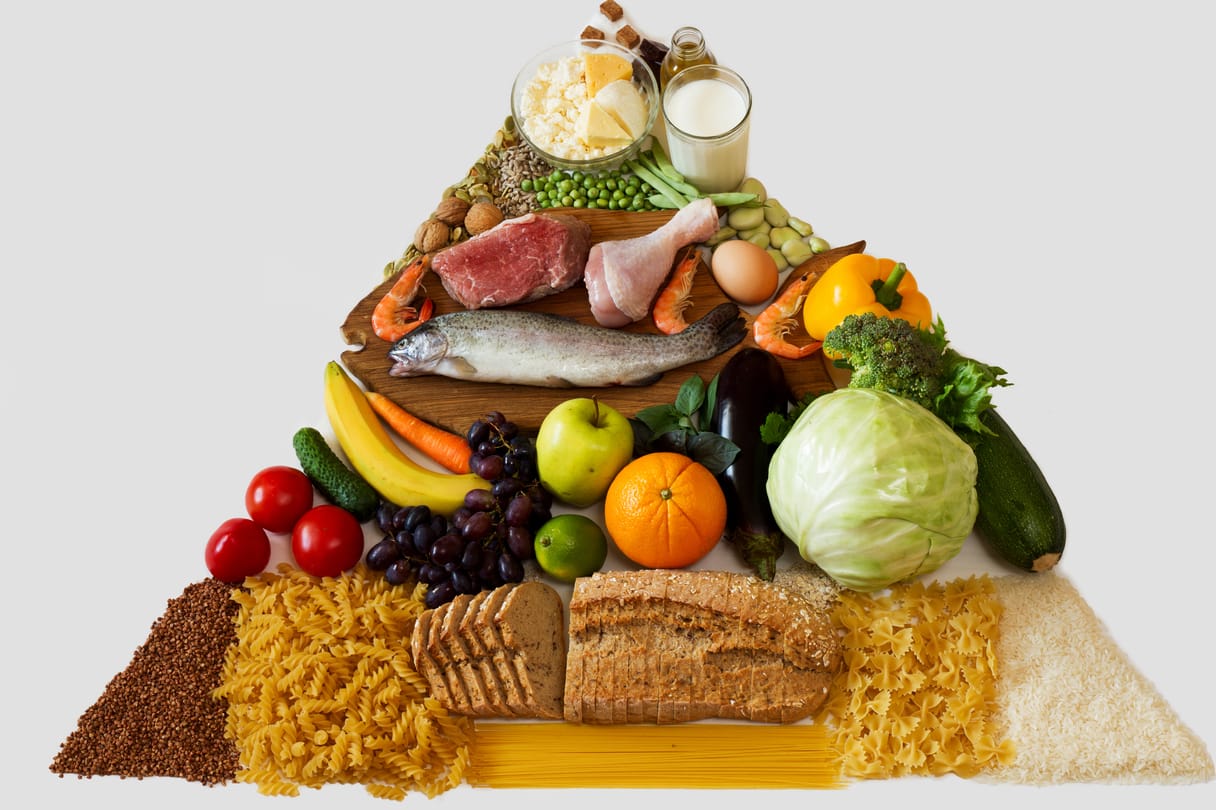

It’s another noisy week in the restaurant world. Between shifting food policy, cautious optimism and a workforce stretched thinner than ever, the restaurant industry is entering 2026 at a crossroads.
This week, we dig into the forces shaping what comes next: the hidden staffing burnout quietly undermining operations, how upside-down dietary guidelines could reshape menus and the rare tailwinds giving operators reason to plan ahead. Together, they offer a clearer picture of where restaurants are headed and what it will take to get there.
But first, Noma is heading to L.A. and charging $1500 a pop.

Hot dish. Should guests still have to pay if they don’t like the food?
On a roll. San Francisco's newest bagel shop started as a raunchy Burning Man pop-up.
Cooked. Why vegan restaurants are nearly a thing of the past.
That’s a wrap. Why kitchen towels are the backbone of restaurant service.
The right moves. New York to repeal old law banning dancing in restaurants.

The restaurant staffing crisis hidden in plain sight
Hospitality workers are facing “hidden burnout” beyond normal job stress, driven by compounding pressures like tight margins, societal stressors and ineffective policies. Human-centric culture and robust mental-health support can help reduce turnover, improve safety and build cohesive teams that create exceptional service.
Why it matters: For your business, this crisis affects your employees’ well-being, service quality and restaurant performance. Burnout increases errors, impacts food safety and drives costly turnover. Addressing mental health, supportive leadership and listening to staff aren’t just ethical; they’re strategic necessities for sustainable operations in an industry already struggling with labor shortages. (Modern Restaurant Management)
How the new “upside down” food guidelines will affect restaurants
The USDA’s 2025–2030 Dietary Guidelines were recently revealed, which inverts the traditional food pyramid, prioritizing protein and healthy fats while downplaying grains and ultra-processed foods. Restaurant operators may see increased demand for high-protein, minimally processed menu items and opportunities to align offerings with federal nutrition messaging, though actual impacts depend on consumer behavior.
Why it matters: These guideline changes could influence consumer expectations and menu development, affecting ingredient sourcing, menu positioning, marketing and compliance in institutional feeds. Restaurants emphasizing real, nutrient-dense foods may benefit, while those reliant on processed offerings could face pressure to reformulate or rebrand. This shift highlights nutrition policy’s ripple effects on foodservice. (Restaurant Business)
Key tailwinds for the restaurant industry in 2026
Analysts see modest restaurant growth in 2026, buoyed by major events like the FIFA World Cup, lower gas prices, tax relief and consumer spending boosts. These factors could increase traffic and sales, offering rare upside amid ongoing industry uncertainty and selective diner behavior.
Why it matters: Identifying these tailwinds helps operators plan strategically, leveraging calendar events, easing cost pressures and adapting to shifting demand. Understanding positive catalysts empowers better marketing, staffing, menu planning and forecasting in a cautious economic environment, potentially improving margins and competitive advantage. (Nation’s Restaurant News

≤20%
The percentage of diners who said they planned to increase restaurant visits in 2026. (QSR)

Popular L.A. restaurant struggles after losing its liquor license
T.G.I. Friday's plotting comeback with 1,000 global restaurants
New Philly law threatens $1,000 fine for selling reservations
ICE eats at Minnesota Mexican restaurant, then detains its workers
What to do when your favorite restaurant closes
Thanks for reading today's edition! You can reach the newsletter team at editor@theprep.co. We enjoy hearing from you.
Interested in advertising? Email us at newslettersales@mvfglobal.com
Was this email forwarded to you? Sign up here to get this newsletter once a week.
The Prep is written by Kelly Dobkin and edited by Bianca Prieto.